The best Barcelona attractions for 2026: Sagrada Família, Park Güell, the Gothic Quarter and Barceloneta — map, 3-day itinerary and Gaudí tickets in advance.
Barcelona combines Mediterranean beaches, Gaudí's architecture and Catalan food into a single city break. Sagrada Família finally completes in 2026 (144 years after work began), so the coming months are your one historic window to see it without scaffolding. This guide covers 14 must-see sights, tells you which tickets to book ahead and how to avoid the Las Ramblas pickpockets.
Why Barcelona
Barcelona is Spain's second-largest city (1.6 M people), the capital of Catalonia and sits on the Mediterranean — the only major Spanish city with proper city beaches walkable from the center. Areas: Barri Gòtic (medieval Old Town), El Born (bohemian, restaurants), Eixample (Gaudí's houses, grid), Gràcia (locals, no tourists), Barceloneta (beach), Poble Sec (tapas).
Price level: coffee €1.80, tapas €3–6 per plate, dinner with wine €25–40, city-center hotel €100–180/night. Spain eats late — lunch at 14:00–16:00, dinner from 21:00.
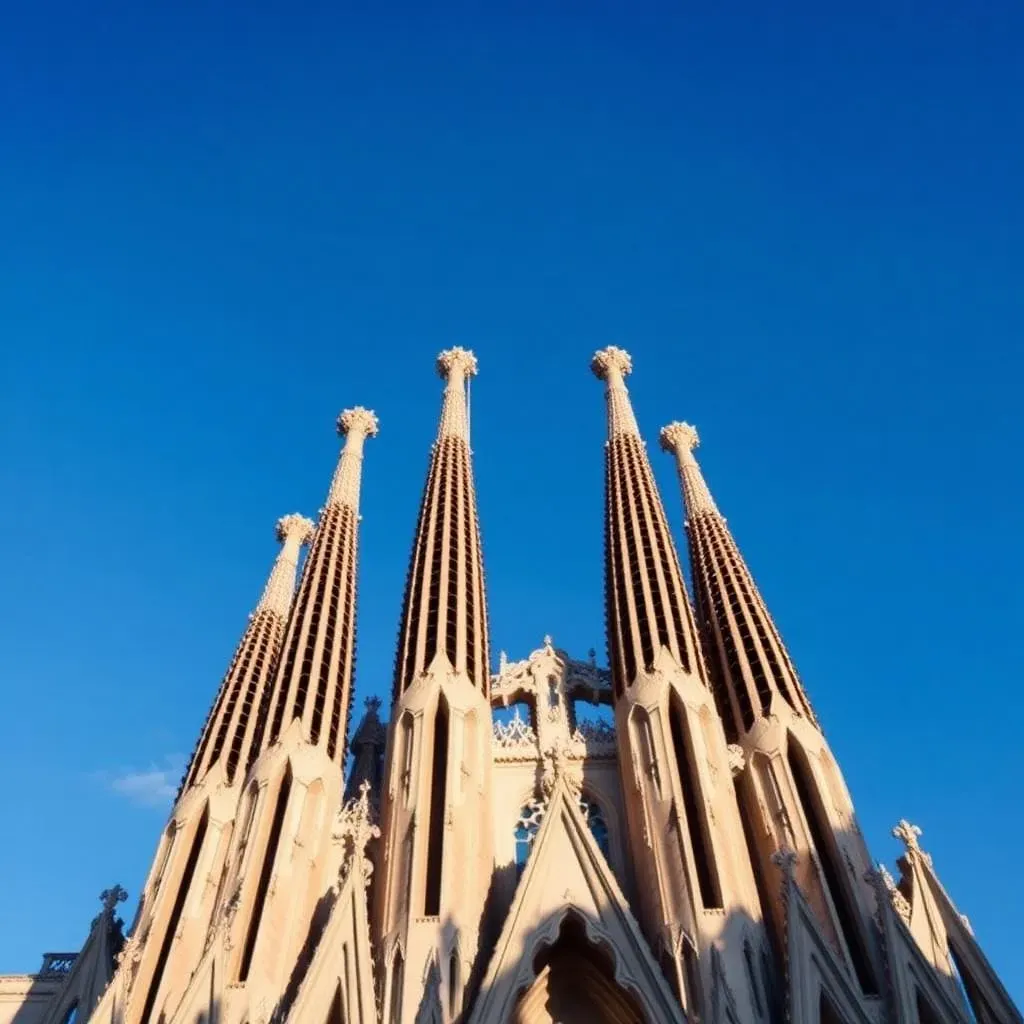
Sagrada Família — book ahead
Gaudí's unfinished 1882 masterpiece is due to complete in 2026 when the central tower (Torre de Jesucrist) is capped — the church becomes Europe's tallest religious building at 172.5 m. Buy tickets 2–4 weeks ahead (sagradafamilia.org, €26). The base ticket lets you in; "ticket + tower access" (€36) gets you onto the roof with fantastic views — lift up, stairs down.
Tip: book a 09:00 or 15:00 slot — sunlight streams through the stained glass and the interior glows red/green/blue. The effect lasts 30–60 minutes.

Park Güell, Casa Batlló and the Gaudí trail
Park Güell is Gaudí's public park on Carmel Hill — the colorful mosaic salamander, a serpentine mosaic bench and city panoramas. Buy tickets ahead (€10) — without one you only reach the outer area. Walk Casa Batlló → Casa Milà → Park Güell in one day.
Casa Batlló (€35) and Casa Milà / La Pedrera (€28) are Gaudí residential houses on Passeig de Gràcia — facades like something nature carved, all curves and no right angles. Both offer AR/VR guides — Casa Batlló is the more immersive experience, Casa Milà the more interesting piece of architecture.
Old Town, Las Ramblas and the beach
Barri Gòtic is Europe's best-preserved medieval quarter: narrow streets, Roman ruins and the cathedral. Linger on Plaça Reial, where Gaudí's first street lamps stand. La Boquería market (off Las Ramblas) — 300 stalls of fresh fruit, jamón ibérico and juices (€3). Go at 10:00 or 17:00 — midday brings tourist crowds.
Las Ramblas is the 1.2 km promenade from Plaça Catalunya to the sea — iconic, but every restaurant on it is a tourist trap. Walk the length, eat on the side streets.
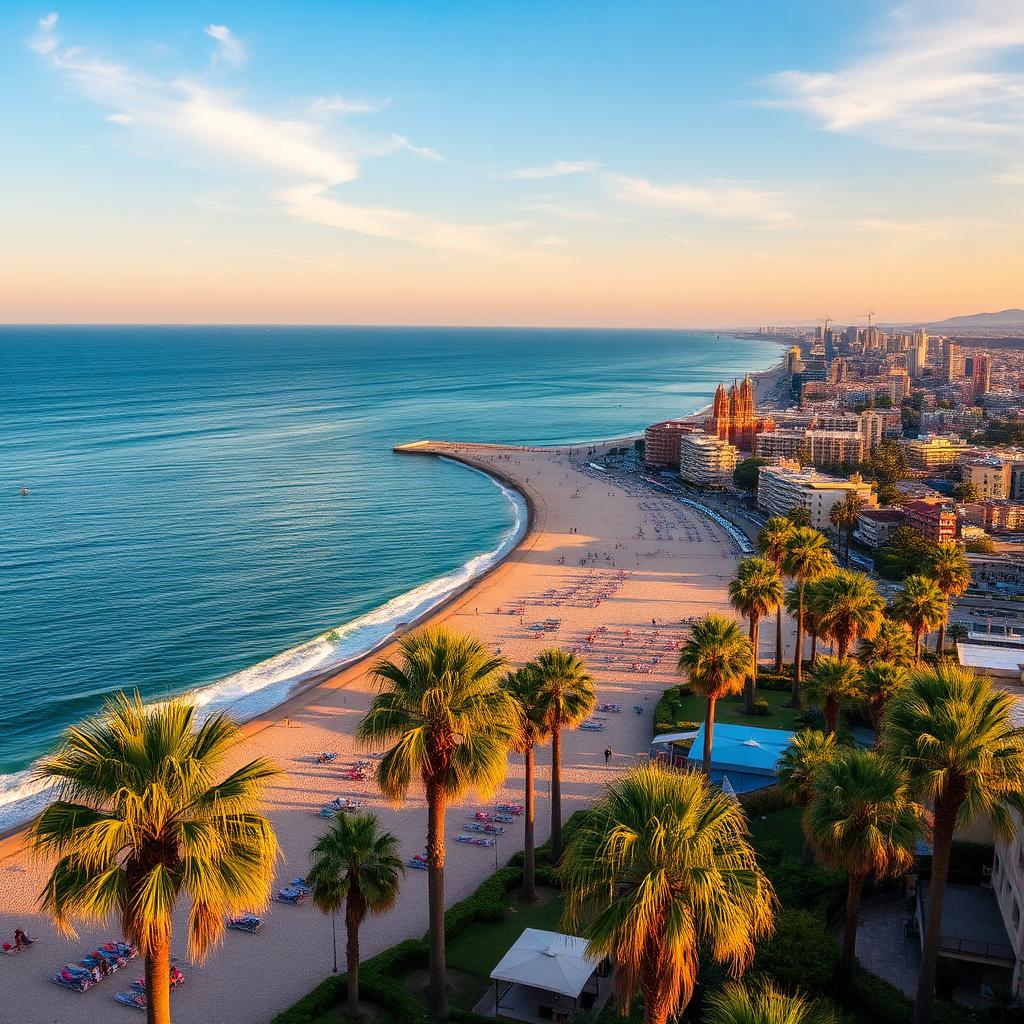
Barcelona's beaches: Barceloneta is the closest (metro L4 → Barceloneta); Bogatell and Nova Icària are quieter local beaches 15 min further north. Water is 20–25 °C from May to October.
Tapas, vermut and Catalan food
Catalan must-eats:
- Pa amb tomàquet — bread rubbed with tomato, olive oil and salt — the base of everything
- Bombas — fried potato balls with meat filling and aioli (a Barceloneta invention)
- Escalivada — grilled peppers, aubergine and onion
- Fideuà — noodle version of paella with seafood
- Crema catalana — dessert similar to crème brûlée
Where to eat: Bar Cañete (book), Quimet & Quimet (standing tapas bar), El Xampanyet (classic), Bar del Pla. Avoid: Las Ramblas and the restaurant row directly on Barceloneta beach.
Vermut is Barcelona's afternoon ritual — an aperitif at 12:00–14:00 before lunch, €3–5 a glass.
Day trips and practical tips
Montserrat (60 min by train) — sacred mountain, monastery and the Black Madonna. The rack railway up costs €12. Sitges (35 min by train) — Costa Dorada beach town, wine cellars. Girona (40 min by AVE train) — Game of Thrones filming locations, Jewish Quarter.
Transport: metro (L1–L11) and bus. The T-Casual card (10 rides for €12.15) is the deal. From the airport (BCN) the Aerobús runs €7.25 in 35 min. Safety: Barcelona is safe, but pickpockets are everywhere on Las Ramblas, at La Boquería, on metro L3 and in the Sagrada Família queue. Backpack on your front, never a back pocket.
Airbnb outlook 2026: the city is phasing out tourist apartments by 2028 — hotel prices are rising. Book early.
3-day Barcelona itinerary
Day 1 (Gaudí): Sagrada Família at 09:00 (with pre-bought ticket) → Casa Batlló and Casa Milà on Passeig de Gràcia → lunch in Gràcia → Park Güell at 15:00 → dinner in El Born.
Day 2 (Old Town + beach): Barri Gòtic and the cathedral in the morning → La Boquería at 10:00 → walk Las Ramblas down to the beach → lunch in Barceloneta → afternoon on the beach → tapas and vermut in Poble Sec.
Day 3 (views + day trip): Morning on Montjuïc (Poble Espanyol, Miró Museum, castle) → afternoon by train to Sitges OR a half-day at Montserrat → dinner in La Ribera.
Cheapest Helsinki–Barcelona flights via Kiwi.com — Finnair, Vueling and Ryanair €150–300 return. See our cheap flights 2026 guide.
FAQ — Barcelona 2026
How many days in Barcelona? 3–4 days for the core sights and beach. 5+ days lets you add Montserrat and Girona.
When to visit Barcelona? May–June and September–October are best (20–28 °C). July–August is hot and packed. Water is swimmable May–October.
Can I get Sagrada Família tickets on the day? Not in summer — they sell out by 10:00. Buy 2–4 weeks ahead.
Is Barcelona safe? Yes for violent crime, but pickpockets are heavy. Keep your phone in a zipped pocket and your backpack in front in crowded areas.
Is English spoken in Barcelona? Excellent in tourist areas. Locals speak Catalan and Spanish — younger residents also speak English.