The best Rome attractions for 2026: Colosseum, Vatican, Trevi Fountain and Pantheon — map, 3-day itinerary, food guide and skip-the-line ticket tips.
Rome puts 2,500 years of history into a single city walk: from Roman Empire ruins to Renaissance palazzos, Baroque fountains and the Vatican's art collections. This guide covers 12 must-see sights, tells you which tickets to buy in advance, how to avoid pickpockets and where to eat without the tourist markup.
Rome in a nutshell
The historical center is compact: from the Colosseum to the Vatican is just 4 km and every major sight is on foot. Areas: Centro Storico (Pantheon, Piazza Navona), Vatican, Trastevere (best food area), Monti (rising bohemian district next to the Colosseum) and Testaccio (local markets, real Roman food).
Price level: cappuccino at the counter €1.20, pizza al taglio €3–5, dinner with wine €25–40 at a trattoria, city-center hotel €90–200/night. Cash matters at small places — many trattorias won't take cards under €20.
Colosseum & Roman Forum
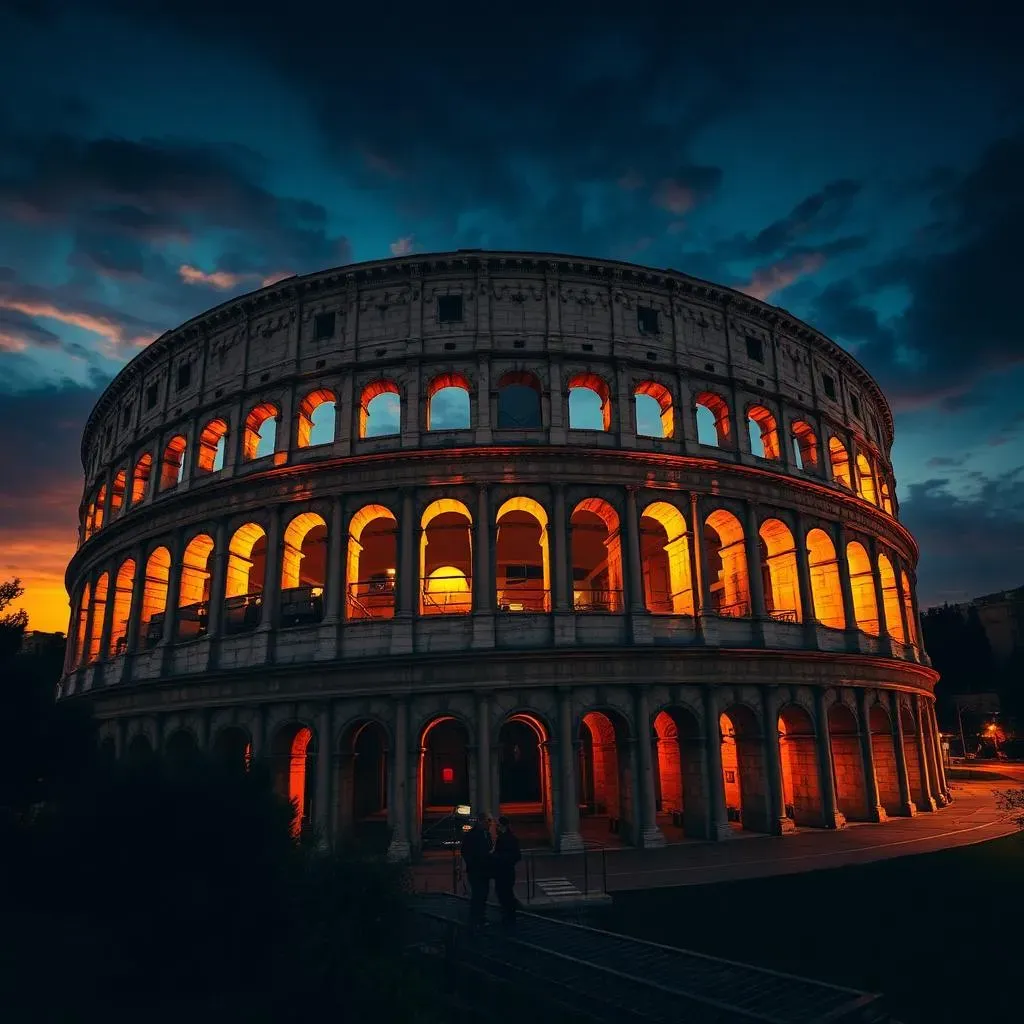
The symbol of Rome (80 CE) once drew 50,000 for gladiator fights. Buy tickets online in advance (parcocolosseo.it, €18 + €2 booking) — walk-up queues run 2–3 hours in summer. The combined ticket also covers the Roman Forum and Palatine Hill — both essential to see the Empire's ruined core. Aim for 08:00 opening or after 16:00 — cooler, quieter.
Extra: the "Colosseum Underground" ticket (€30) lets you into the arena's gladiator tunnels — book 2–3 months out, they always sell out.
Vatican: St Peter's Basilica & Sistine Chapel
The Vatican Museums (Musei Vaticani) house the Sistine Chapel — Michelangelo's ceiling fresco took four years (1508–1512). It's the world's busiest museum: opening-time queues run 1–3 hours. Buy a "skip-the-line" ticket via Klook or GetYourGuide (€30–45) — inside in 15 minutes. Better still: book the "early-access" tour (07:30, €65) — you walk the chapel without tour groups.
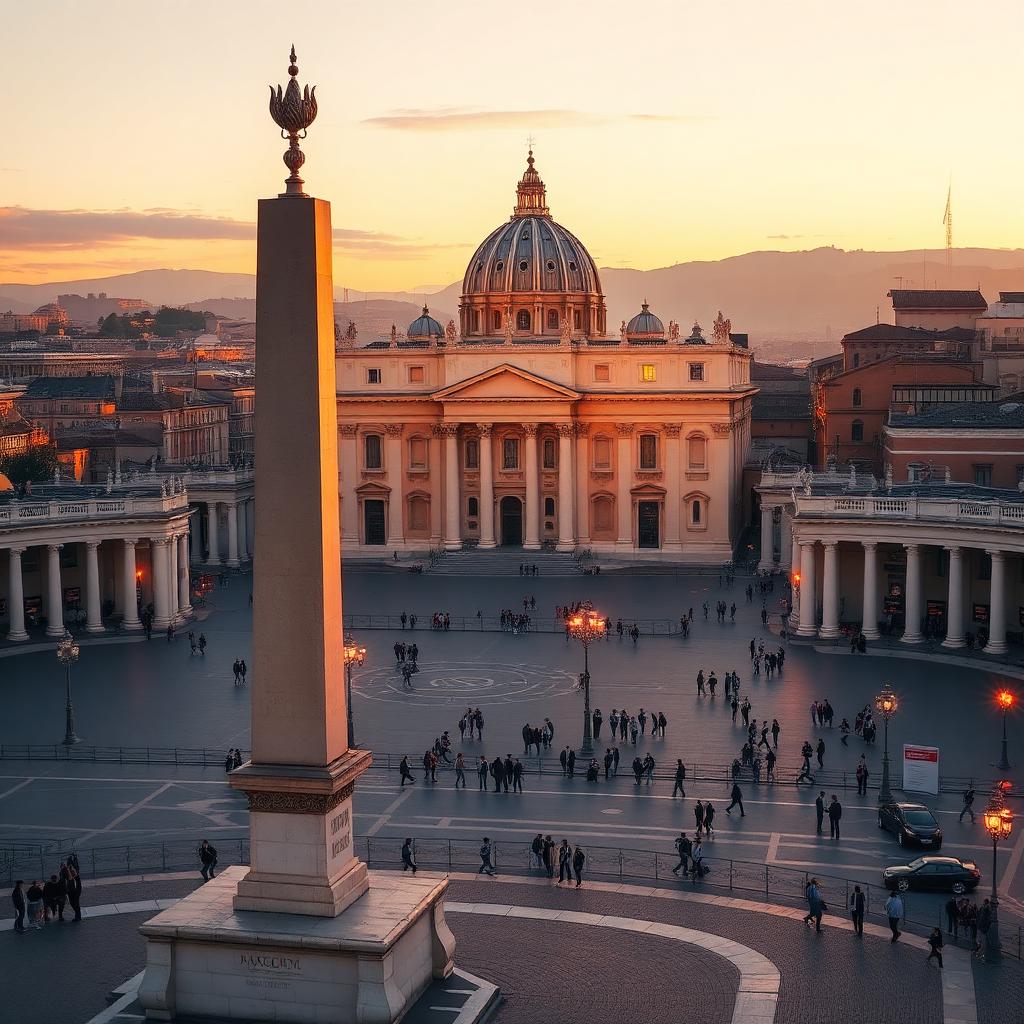
St Peter's Basilica is free but security can run an hour. Climb the dome (€10, stairs or lift) — Rome's best cityscape. Dress code: shoulders and knees covered — women without a scarf are turned away.
Trevi Fountain, Pantheon and Piazza Navona
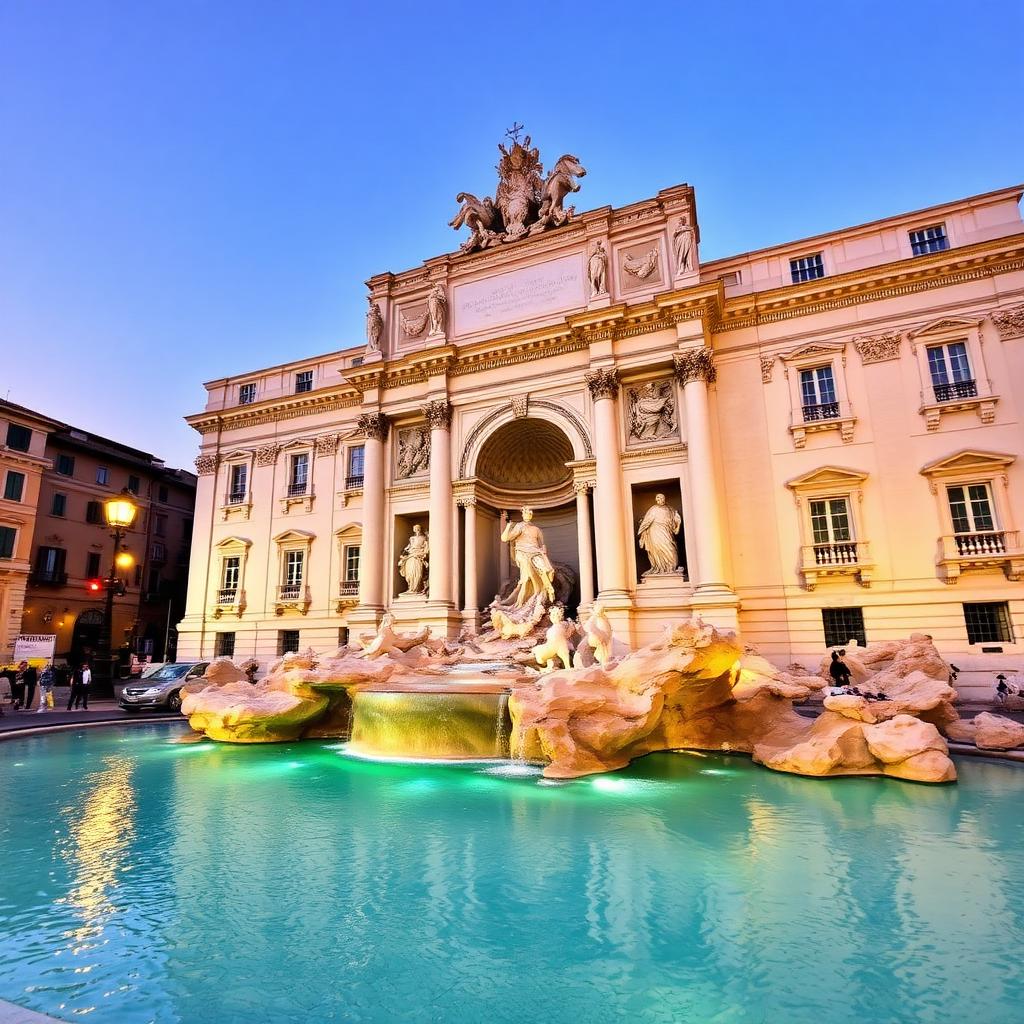
Fontana di Trevi (1762) is Rome's most-photographed sight. Tradition: a coin over the left shoulder using the right hand guarantees a return to Rome — the fountain yields roughly €1.4 M/year, all donated to charity. Go at 06:00 for a shot without the crowd.
The Pantheon (125 CE) is the oldest intact Roman building and still the largest unreinforced concrete dome. Entry €5 (from 2023). A short walk brings you to Piazza Navona — a Baroque square with Bernini's fountains and street artists.
All three sit within 1.5 km — an ideal morning loop.
Trastevere and the Rome food guide
Trastevere ("across the Tiber") is Rome's most-loved neighborhood: narrow cobbled lanes, ivy on unplastered walls, and Rome's best trattorias. Classics: Da Enzo al 29 (book two weeks out), Tonnarello (huge portions, no reservations), Trapizzino (triangular filled pizza pockets, €4).
Rome must-eats:
- Cacio e pepe — pasta with pecorino and black pepper, three ingredients
- Carbonara — egg, guanciale, pecorino, black pepper — no cream
- Amatriciana — tomato, guanciale, pecorino
- Supplì — fried rice balls with mozzarella (€2 each)
- Gelato — skip the vividly colored "mountain" scoops (dyes) — look for smooth pastel shades (Fatamorgana, Come il Latte)
Hidden gems and day trips
Villa Borghese is Rome's Central Park — free gardens plus the Galleria Borghese (Bernini and Caravaggio masterpieces, €15, book ahead). Aventine Hill and the Orange Garden give the best free sunset views. Testaccio Market is the most authentic food market — €5 pizza al taglio and €8 lunches with locals.
Day trips by train: Tivoli (Villa d'Este's fountain gardens, 40 min by train) and Ostia Antica (Rome's ruined port, 30 min by metro) — both €10–15 tickets.
Practical tips
Transport: metro (lines A, B, C — C still being built) covers the highlights. 24 h ticket €7, 72 h €18. From Fiumicino take the Leonardo Express train to Termini, €14, 32 min. Sidewalks are uneven — comfortable shoes are essential.
Safety: pickpockets are heavy at Termini, on metro line A, in front of the Colosseum and in the Vatican Museums queue. Avoid "ROMA-Pass" street sellers — a scam. Politely ignore the men offering roses and the women pushing bracelets.
eSIM: an Airalo Europe eSIM works throughout Italy. Flight delay? AirHelp helps you claim compensation. Insurance: travel insurance guide 2026.
3-day Rome itinerary
Day 1 (antiquity): Colosseum at 08:00 → Roman Forum → Palatine → lunch in Monti → Capitoline Hill and Piazza del Campidoglio → sunset on the Aventine.
Day 2 (Vatican + center): Vatican Museums 07:30 early-access → St Peter's Basilica → lunch in Trastevere → Piazza Navona → Pantheon → Trevi Fountain at evening lights.
Day 3 (Trastevere & Borghese): Villa Borghese in the morning → Galleria Borghese at 11:00 → lunch at Testaccio market → afternoon in Trastevere → dinner at a Da Enzo-style trattoria.
Cheapest Helsinki–Rome flights via Kiwi.com — Finnair and Ryanair €120–250 return. More: Italy — the Amalfi Coast and Tuscany.
FAQ — Rome 2026
How many days in Rome? 3 days for the core sights. 4–5 lets you add Ostia Antica and Tivoli.
When to visit Rome? April–May and September–October are best (18–25 °C). July–August is brutal (35 °C+) and many restaurants close for holiday.
Is the Vatican free? St Peter's Basilica is free. The Vatican Museums and Sistine Chapel cost €17. The last Sunday of the month is free — but queues run 4+ hours.
Is the Roma Pass worth it? Only for a 3-day visit hitting 5+ museums — otherwise individual tickets are cheaper.
Is Rome safe for solo women travelers? Yes, but pickpockets are heavy. See the solo travel safety guide.