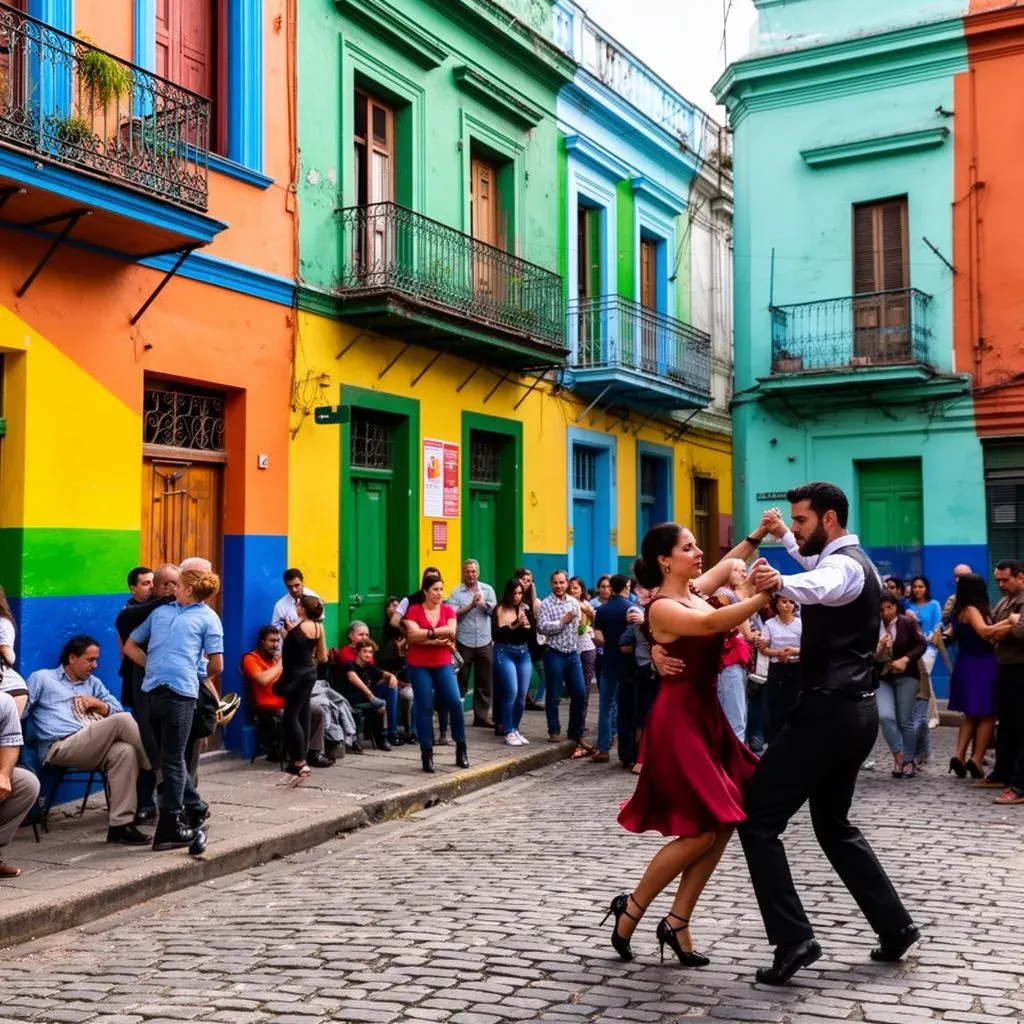
Buenos Aires is the Paris of South America: European architecture, passionate tango, the world's best steak, and a nightlife that starts at midnight.
Buenos Aires is the capital of Argentina and one of South America's most captivating metropolises. The city combines European elegance with Latin American passion in a way found nowhere else. 'Porteños' — as the locals call themselves — are known for their warmth, drama, and joy of life. Buenos Aires has a population of about 3 million, with over 15 million in the greater metropolitan area.
La Boca is Buenos Aires's most colorful neighborhood, famous for the pastel-colored tin houses on Caminito street and the tango couples dancing in the streets. The area originated in the late 19th century as a settlement for Italian immigrants, who painted their houses with leftover paint from the shipyards — hence the multi-colored houses. La Boca is also home to the Boca Juniors football club, and La Bombonera stadium is a pilgrimage site for fans.
San Telmo is Buenos Aires's oldest neighborhood and a favorite of bohemians. The Sunday flea market at Plaza Dorrego is a huge event selling antiques, art, crafts, and vintage clothing. The streets fill with tango musicians and street performers. The cafes and tango restaurants of San Telmo offer the most authentic Buenos Aires experience.
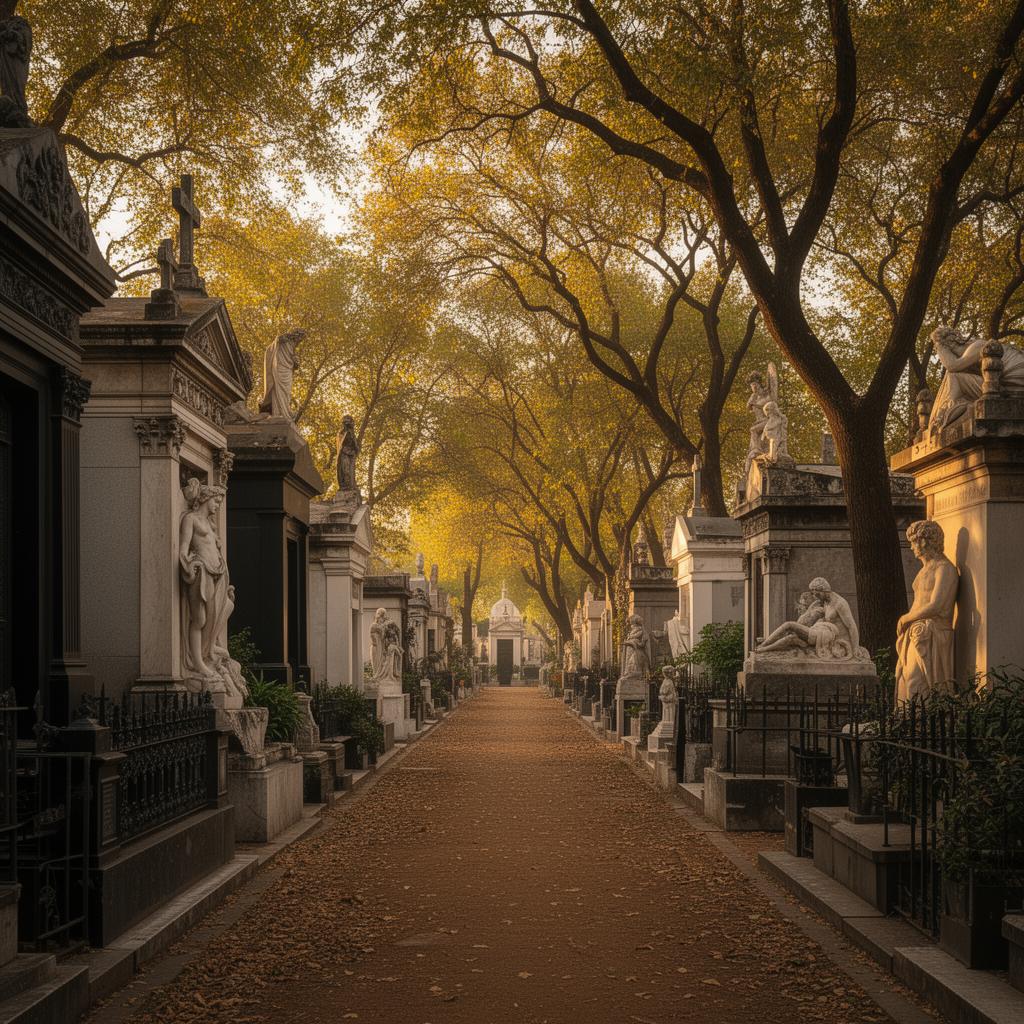
Recoleta is the city's elegant neighborhood, often compared to Paris. The Recoleta Cemetery is one of Buenos Aires's most peculiar sights — a labyrinth of 4,700 mausoleums where Argentina's presidents, generals, and celebrities, including Eva Perón, are buried. MALBA (Museo de Arte Latinoamericano de Buenos Aires) showcases Latin American modern art in a stunning building.

Palermo is Buenos Aires's largest and most fashionable neighborhood. Palermo Soho offers designer shops, cafes, and street art. Palermo Hollywood is the center of restaurants and nightlife. In the Bosques de Palermo park, you can relax like a local — drinking mate tea, lying in the sun. Palermo also houses the Jardín Botánico and Jardín Japonés.
Tango is the soul of Buenos Aires. UNESCO has recognized tango as an intangible cultural heritage. The best way to experience tango is to go to a milonga — a traditional tango evening where locals dance. For beginners, a tango lesson is recommended first, which many milongas offer before the main dance event. Café Tortoni (founded in 1858) offers tango shows in a historic setting.
Argentinian meat is world-famous, and Buenos Aires is a paradise of parrillas (grill restaurants). Asado (Argentinian barbecue) is more than just cooking — it's a social ritual. Bife de chorizo (sirloin steak), entraña (skirt steak), and provoleta (grilled cheese) are classics. Don Julio in Palermo is one of the world's best steak restaurants. In terms of price-to-quality, Buenos Aires's meat is unparalleled.
Empanadas are Argentina's other national dish — hand-filled pastries stuffed with meat, cheese, onions, or a creamy corn mixture. Each province has its own version. Medialunas (croissants) and dulce de leche (caramelized milk) are stars of the breakfast table. Alfajores cookies are the perfect souvenir.
The nightlife in Buenos Aires is legendary — and late. People go to dinner around 9-10 PM, to bars at 1-2 AM, and to clubs at 3-4 AM. On weekends, the partying continues until morning. Palermo and San Telmo are the nightlife hubs. Fernet con Coca (Fernet Branca and Coca-Cola) is Argentina's national drink — be brave and try it.
Day trips: Tigre is a delta city north of Buenos Aires, reachable by a one-hour train ride. Boat trips through the canals, flea markets, and river buffets are popular. Colonia del Sacramento in Uruguay is just an hour away by ferry — this UNESCO-protected colonial city is a perfect day trip. A gaucho ranch (estancia) on the pampas offers horse riding, asado, and an experience of Argentinian rural life.
Practical tips: The currency is the Argentine Peso (ARS), and inflation is high — prices change quickly. Cash is important, and the 'blue dollar' exchange rate gives foreigners a significantly better rate than the official one. Safety: Buenos Aires is mostly safe, but beware of pickpockets in tourist areas. Language: Basic Spanish is essential — English is only spoken in tourist spots. Best time to travel: March-May (autumn) and September-November (spring), when temperatures are between 15-25 °C. Considering a solo trip? Read our solo traveler's guide and create an emergency contacts PDF before you go.
Budget: Buenos Aires is an affordable destination for Europeans. A parrilla dinner with wine costs €15-30, a hostel stay €10-20 per night, a boutique hotel €50-120 per night. The Subte (metro) costs about €0.30 and bus rides are similar with a SUBE card. The budget for a one-week trip is €600-1,200 excluding flights — flights from Europe cost €500-900 round trip. Estimate your own budget with our travel cost calculator.