Written by Matkustelu.fi
Researched
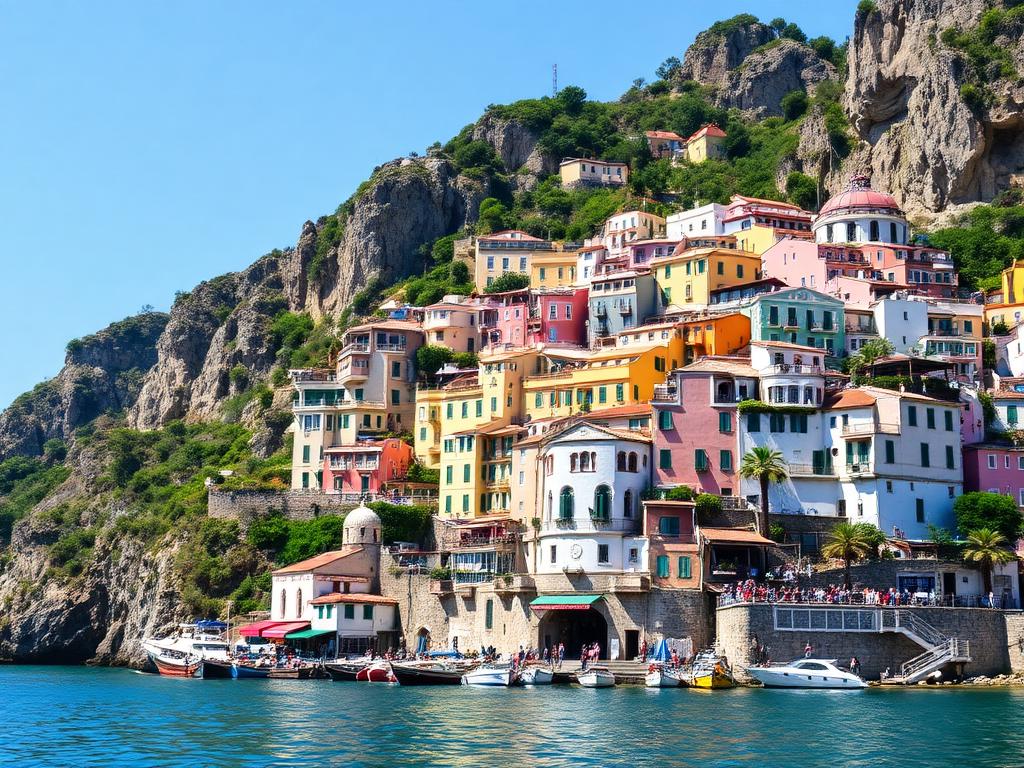
Where to stay on the Amalfi Coast, how to get around without a car and what it costs. Positano, Amalfi, Ravello and Sorrento compared, plus a Tuscany route.
The Amalfi Coast and Tuscany are Italy's two most photographed regions, and they pair well on one trip: scenery and sea on the coast, wine, cities and quiet in Tuscany. This guide covers where to stay, how to get around without your own car and what two weeks in Italy realistically costs.
Amalfi Coast villages compared
| Village | Feel | Beach | Price level | Best for |
|---|---|---|---|---|
| Positano | Iconic, steep, crowded | Spiaggia Grande | Most expensive | Photographers, honeymoons |
| Amalfi | Lively small town, cathedral | Good town beach | Mid-range | First-timers, ferry links |
| Ravello | Quiet hill village, gardens | No beach of its own | Mid to high | Peace and views |
| Sorrento | Services, train link | Cliff terraces | Mid-range | A base without a car |
| Praiano | Positano's quiet neighbour | Small coves | Cheaper | Budget and calm |
| Maiori | Longest, flattest beach | Long sandy beach | Cheapest | Families, limited mobility |
Positano is the prettiest and also the steepest: getting around means hundreds of steps. Sorrento is the most practical base, with a train from Naples and both buses and ferries along the coast.
Getting around the coast
- SITA buses run from Sorrento to Amalfi and Salerno. Cheapest option, but packed in summer and slow on the winding road.
- Ferries between Sorrento, Positano, Amalfi and Salerno are the fastest and most comfortable option from April to October, with the best views and no motion sickness.
- The Circumvesuviana train links Naples, Pompeii and Sorrento. Old and crowded, but cheap and frequent.
- A rental car is more hindrance than help on the coast: the road is narrow and parking easily costs 5–8 € an hour. In Tuscany, a car is worth it.
- A taxi or private transfer from Naples airport to Positano typically runs 100–140 €, which is reasonable split between four.
A one-week Tuscany route
1. Florence, 2–3 nights. The Uffizi and Accademia with pre-booked tickets, the Duomo dome first thing in the morning.
2. Siena, 1 night. Piazza del Campo empties of day-trippers in the evening.
3. San Gimignano and Volterra, 1 night. Medieval towers and quiet lanes.
4. Val d'Orcia, 2 nights at an agriturismo. Cypress roads, Pienza and the wineries of Montalcino.
5. Lucca or Pisa, 1 night. Cycling the city walls of Lucca is underrated.
A rental car opens up the countryside the trains don't reach. Remember that driving into a historic centre's ZTL zone triggers an automatic fine — park outside the walls.
Season and the best time to go
| Month | Weather | Crowds | Note |
|---|---|---|---|
| April | around 18–20 °C | Low | Blossom, cool sea, ferries start |
| May–June | around 22–27 °C | Rising | Best overall |
| July–August | around 30–33 °C | Highest | Priciest, Italian holiday season |
| September | around 26–28 °C | Falling | Warm sea, harvest in Tuscany |
| October | around 21–23 °C | Low | Cheaper, some coastal businesses close |
May, June and September are the sweet spot. From November to March the Amalfi Coast largely hibernates: ferries stop and many hotels close — Tuscany works year-round.
Costs and daily budget
| Style | Budget / person / day | Includes |
|---|---|---|
| Budget | around 70–100 € | B&B or agriturismo, trattoria meals, buses and trains |
| Mid-range | around 130–200 € | Central hotel, restaurants, museums |
| Amalfi sea view | around 300 € and up | Sea-view hotel in season, ferries and taxis |
Food is easy to economise on: a coffee and cornetto at the bar counter costs about 3 €, while the same served at a table can triple. A lunchtime pranzo at a trattoria is clearly cheaper than dinner. Estimate your trip with our budget calculator.
Food and wine by region
On the Amalfi Coast you eat the sea: scialatielli ai frutti di mare, fresh mozzarella di bufala from Campania and lemon liqueur limoncello. Naples pizza is an hour away by train and worth trying in its original form.
Tuscany tastes more rustic: ribollita bread soup, pici pasta, bistecca alla fiorentina and pecorino from Pienza. Chianti Classico is the everyday classic and Brunello di Montalcino the special bottle. Book winery tastings in advance — small estates don't take walk-ins.
Practical tips
- Pre-book tickets. The Uffizi, Accademia, Colosseum and Pompeii sell out in season. Buy weeks ahead.
- Meal times. Lunch runs roughly 1–3 pm, dinner 8–10 pm, and many kitchens close entirely in between.
- Coperto, a cover charge of 2–4 € per person, is normal and no tip is expected on top.
- Church dress code. Shoulders and knees covered, or you won't get in.
- Steps in Positano. If your knees or your suitcase object, choose Sorrento or Maiori.
- Water is free. Public fountains are drinkable — refill your bottle.
Who this trip suits
The Amalfi Coast suits couples, scenery hunters and anyone who doesn't mind steep terrain and higher prices. Tuscany suits food and wine lovers, city fans and families who prefer a calm agriturismo to a beach resort. The combination works best over 10–14 days.
## Read next
Plan the city leg with our Rome attractions 2026 guide, travel by rail with the Interrail guide, compare fares with cheap flights 2026 and cover risks with our travel insurance comparison. For islands, see the Greek islands comparison.
Written by Matkustelu.fi
Researched Published 20.2.2026
The Matkustelu.fi editorial team curates travel information and planning tips. Always verify changing rules, prices and timetables with the original sources.