Written by Matkustelu.fi
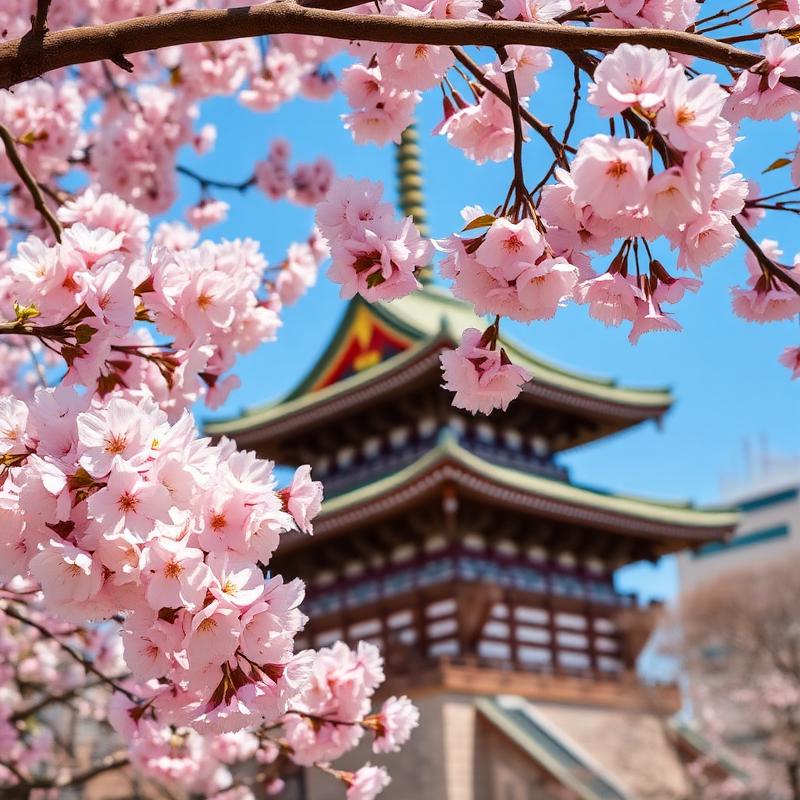
Spring is Japan's most beautiful season. The sakura season brings parks and temples into a splendor of pink blossoms. Here's how to plan your trip.
The Japanese cherry blossom season, or hanami, is one of the country's most anticipated times of the year. The sakura season progresses from south to north — in Tokyo and Kyoto, the trees usually bloom from late March to early April. Follow the Japan Meteorological Corporation's sakura forecast to time your trip perfectly.
When to go
The bloom starts in southern Kyushu in mid-March, reaches Tokyo and Kyoto in the first week of April and continues in Hokkaido into early May. In a single city, full bloom — mankai — lasts only about a week, and heavy rain or wind can cut it to a few days. Allow at least ten days for the trip and plan a route that lets you move north or into the mountains if the bloom has already passed. Trains are fast enough that a single day of travel can rescue the highlight of the whole trip.
Budget and getting around
A two-week trip to Japan costs roughly EUR 2,200-3,200 per person at mid-range level, flights included. A business hotel runs EUR 70-120 a night and a ryokan with half board EUR 150-250. Food is cheaper than most people expect: a ramen or donburi lunch costs EUR 7-10 and a convenience-store breakfast under five euros. Trains are the single largest expense, so work out before you buy whether a Japan Rail Pass beats individual tickets. Blossom season pushes accommodation prices up sharply, so book a refundable room as soon as your flights are confirmed.
The hanami tradition
The hanami tradition dates back over a thousand years to the Heian period, when aristocrats gathered to admire the flowers and write poetry. Today, hanami is a celebration for the entire nation — families, groups of friends, and colleagues gather in parks for picnics under the blooming trees.
A hanami picnic in practice
The best way to enjoy the cherry blossoms is a traditional hanami picnic in a park. Pack onigiri rice balls, dango sweets, tamagoyaki omelets, and Japanese tea. Many people buy ready-made bento boxes from a local store or konbini. Don't forget a picnic mat, or 'blue sheet' plastic mat!
Best spots in Tokyo
Popular hanami spots in Tokyo include Ueno Park, Shinjuku Gyoen, and the Meguro River. Ueno Park has over a thousand cherry trees, and the atmosphere is lively and festive. Shinjuku Gyoen is a calmer, paid park where alcohol is prohibited. The Meguro River offers a magical experience with its evening illuminations.
Kyoto in sakura season
In Kyoto, cherry blossoms surround historic temples, creating a magical atmosphere. Maruyama Park is Kyoto's most popular hanami spot, with a famous weeping cherry tree at its centre. Kiyomizu-dera, the Philosopher's Path, and the Arashiyama Bamboo Grove are unforgettable experiences during the sakura season.
Nighttime hanami
Nighttime hanami, or yozakura, is a particularly magical experience. Many parks and temples illuminate the cherry trees in the evening, and the pink blossoms glow against the darkness. A boat trip on Tokyo's Chidorigafuchi moat during the illuminated sakura season is one of the most unforgettable experiences.
Practical tips
Book accommodation months in advance, as the sakura season is Japan's most popular travel time. The Japan Rail Pass saves money on train tickets and allows for fast travel between cities. Get a Suica or Pasmo card for public transport as soon as you arrive. Calculate your Japan trip budget with our travel cost calculator — Japan can surprise you with its affordable street food prices.
Sakura season foods
Be sure to also try seasonal foods: sakura-mochi (a rice cake wrapped in a cherry leaf), hanami-dango (three-colored rice balls), sakura lattes, and cherry blossom-themed specialties in restaurants make the trip a unique gastronomic experience. Even 7-Eleven and Lawson konbinis have special sakura season products.
Etiquette in the parks
Do not touch the trees or shake the branches, do not climb the trees for photos, clean up your own trash, and respect others' picnic space. At the most popular spots, it's a good idea to arrive early in the morning to reserve a spot. Pack light — use our packing list tool and remember travel insurance. Travelling alone? Read our solo travel guide.
Day trips outside Tokyo
Outside of Tokyo, consider day trips to Kamakura, where the cherry trees at Tsurugaoka Hachimangū shrine are magnificent, or to Yoshinoyama in Nara, known for its 30,000 cherry trees on the mountainsides. Towards Mount Fuji, Kawaguchiko frames blossoming trees against a snow-capped peak, and Hitachi Seaside Park in Ibaraki extends the spring season with its fields of blue nemophila. Nara deserves a full day: the tame sika deer of Nara Park, the giant Buddha of Todaiji and the lantern path at Kasuga are exceptionally beautiful in blossom season. Nikko combines ornate shrines with mountain scenery and is about two hours from Tokyo. If the bloom has already passed in Tokyo, head north to Sendai or Hirosaki, where thousands of cherry trees lining the castle moat flower only in late April.
Read next
Check entry documents in the passport, ETIAS and visa guide, sort mobile data with the eSIM guide and pack efficiently with the complete packing list.
Written by Matkustelu.fi
Published 2.3.2026
The Matkustelu.fi editorial team curates travel information and planning tips. Always verify changing rules, prices and timetables with the original sources.