Which vaccines do you need, what medicines should you pack, and how do you avoid food poisoning? A practical guide to healthy travel in 2026.
Most travel illnesses are preventable with simple precautions. When you take care of vaccines, drinking water and basic hand hygiene, your risk of getting sick drops to a fraction. This guide walks through the practical things every traveller should know — regardless of destination.
Vaccines — book early
Many travel vaccines need to be given 4–8 weeks before departure, and some series (e.g. hepatitis B, Japanese encephalitis) take longer. Domestic boosters — tetanus-diphtheria, MMR and polio — are worth checking in any case. Finnish travel vaccination clinics (Mehiläinen, Terveystalo, YTHS) make individual recommendations based on destination and trip length.
Trips to Asia, Africa and Latin America typically include hepatitis A and typhoid. For malaria countries you need prophylactic medication — not a vaccine. The yellow fever vaccine is mandatory for some African and South American countries, and the certificate must be shown at the border. THL's travel information page is always up to date and free.

Travel pharmacy — the basics
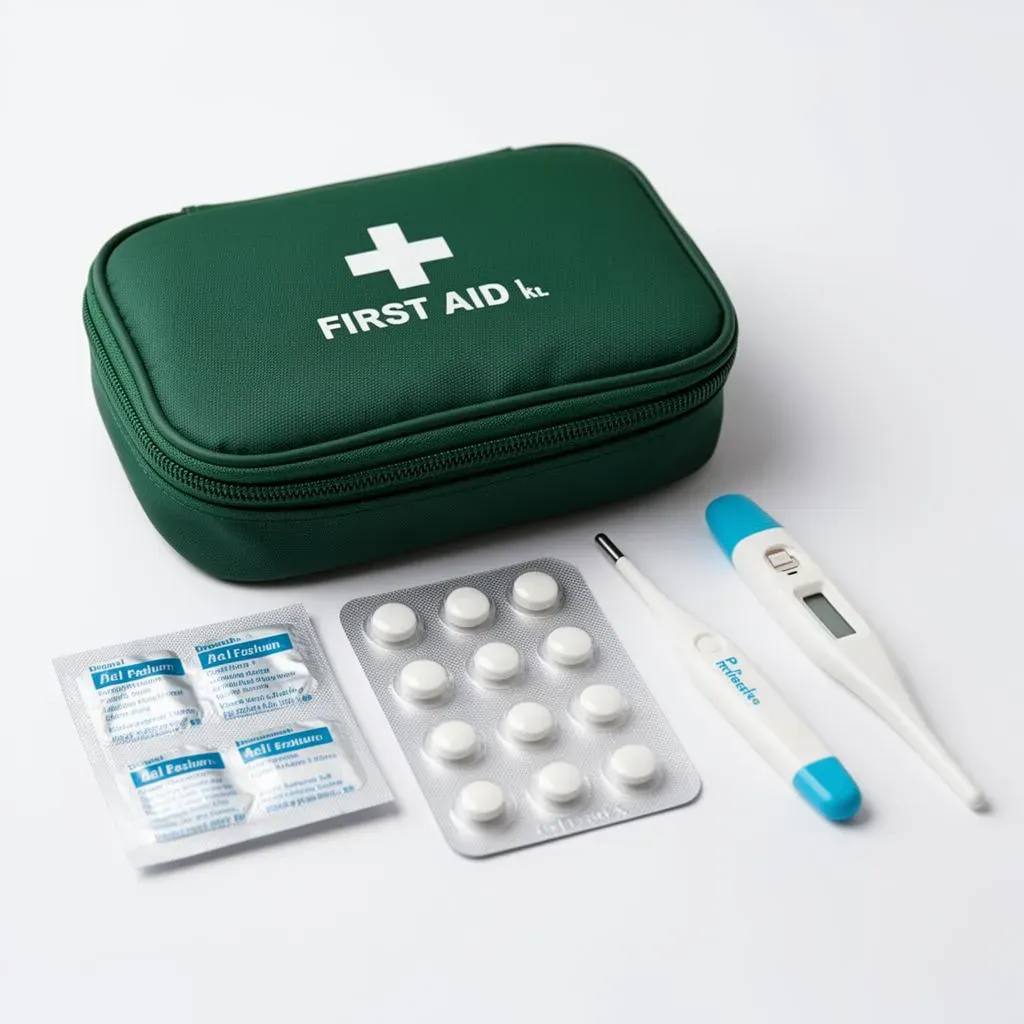
Always pack: pain reliever (paracetamol/ibuprofen), antihistamine (allergic reactions), anti-diarrhoeal (loperamide), electrolyte powder (e.g. Resorb), plasters and gauze, blister cream, hand sanitiser, earplugs, and antiseptic ointment for small cuts. For tropical trips add: insect repellent (DEET ≥30 %), SPF 50+ sunscreen, mosquito net and a small water filter or purification tablets.
Carry prescription drugs in their original packaging and keep a copy of the prescription with you (in English). In some countries (Singapore, Japan, the UAE) common Finnish painkillers can be illegal — check in advance. A two-week supply of medication plus a 50 % buffer is a good rule for longer trips.
Water and food — avoiding food poisoning
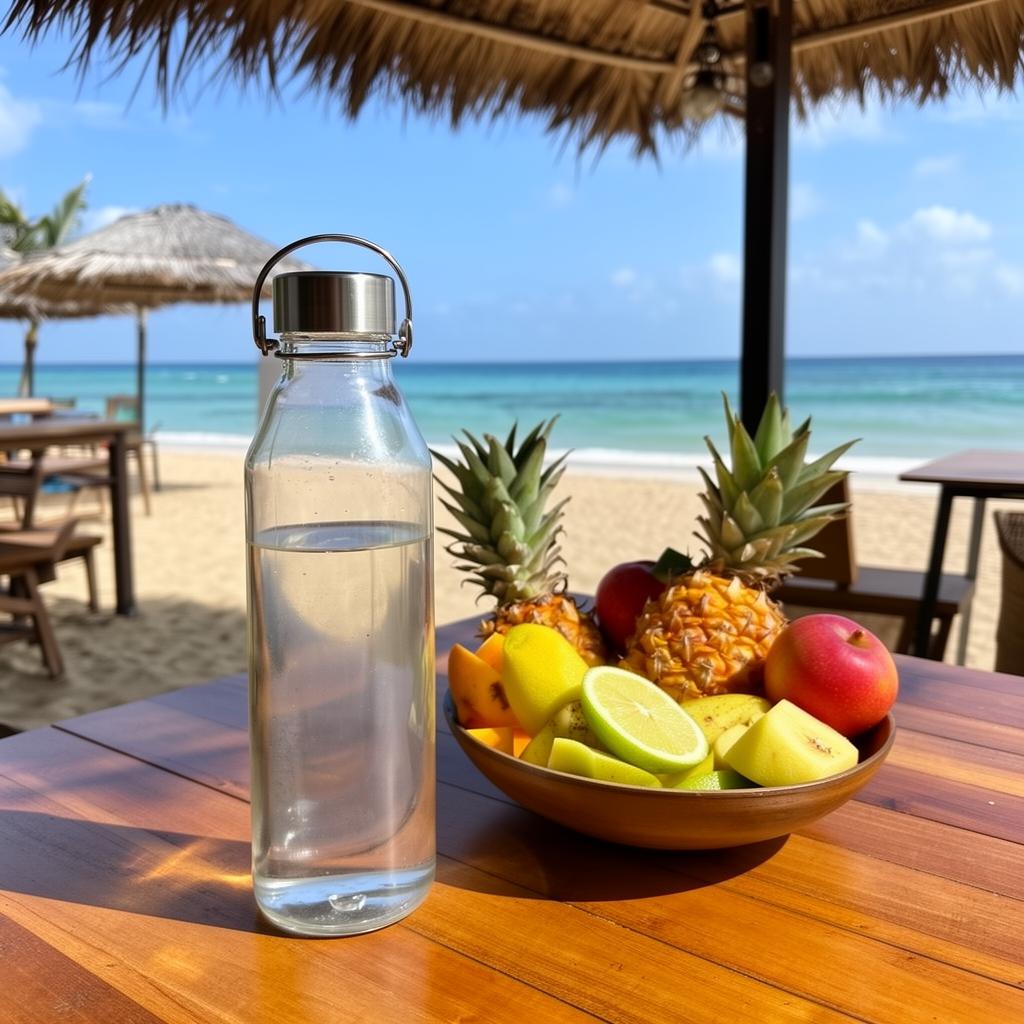
The golden rule in the tropics: 'Boil it, peel it, cook it, or forget it.' Don't drink tap water and don't use ice unless you're sure of its origin. Bottled water caps must be sealed. Use bottled or filtered water for brushing teeth too. In the shower, keep your mouth closed.
Street food isn't dangerous — often the opposite. Choose places with queues and local customers: a busy kitchen means fresh ingredients. Avoid chilled salads, peeled fruit you didn't peel yourself, and dairy products in uncertain conditions. Hot, freshly cooked food is usually the safest choice.
If you do fall ill
Mild traveller's diarrhoea typically lasts 1–3 days. The most important thing is rehydration — electrolytes, coconut water or homemade ORS solution (1 litre clean water, 6 tsp sugar, 0.5 tsp salt). Loperamide helps symptoms but shouldn't be used long, as it slows the body's clearance of bacteria. See a doctor if you have a fever above 38.5 °C, blood in the stool, or symptoms lasting more than 3 days.
Heat stroke, heat exhaustion and dehydration are underestimated travel illnesses. Drink 3–4 litres of water a day in the tropics, avoid alcohol at midday, and protect your head from direct sunlight. To avoid mosquito bites, wear covering clothes in the evenings and apply DEET-based repellent on exposed skin.
Insurance is essential
A single hospital day abroad can cost thousands of euros. Good travel insurance also covers medical evacuation home, which can run to tens of thousands in serious cases. Save the insurer's 24/7 number both in your phone and on paper. Read our packing list before packing — most people forget exactly these health items.
Finally: prevention is the best medicine. Wash your hands carefully, eat and drink with care, rest enough and listen to your body. Mild symptoms are normal on the road — the body simply adjusts to a new environment and bacterial flora. But if something feels serious, don't hesitate to seek help. Finnish travel medicine has a global network — use it.