Africa
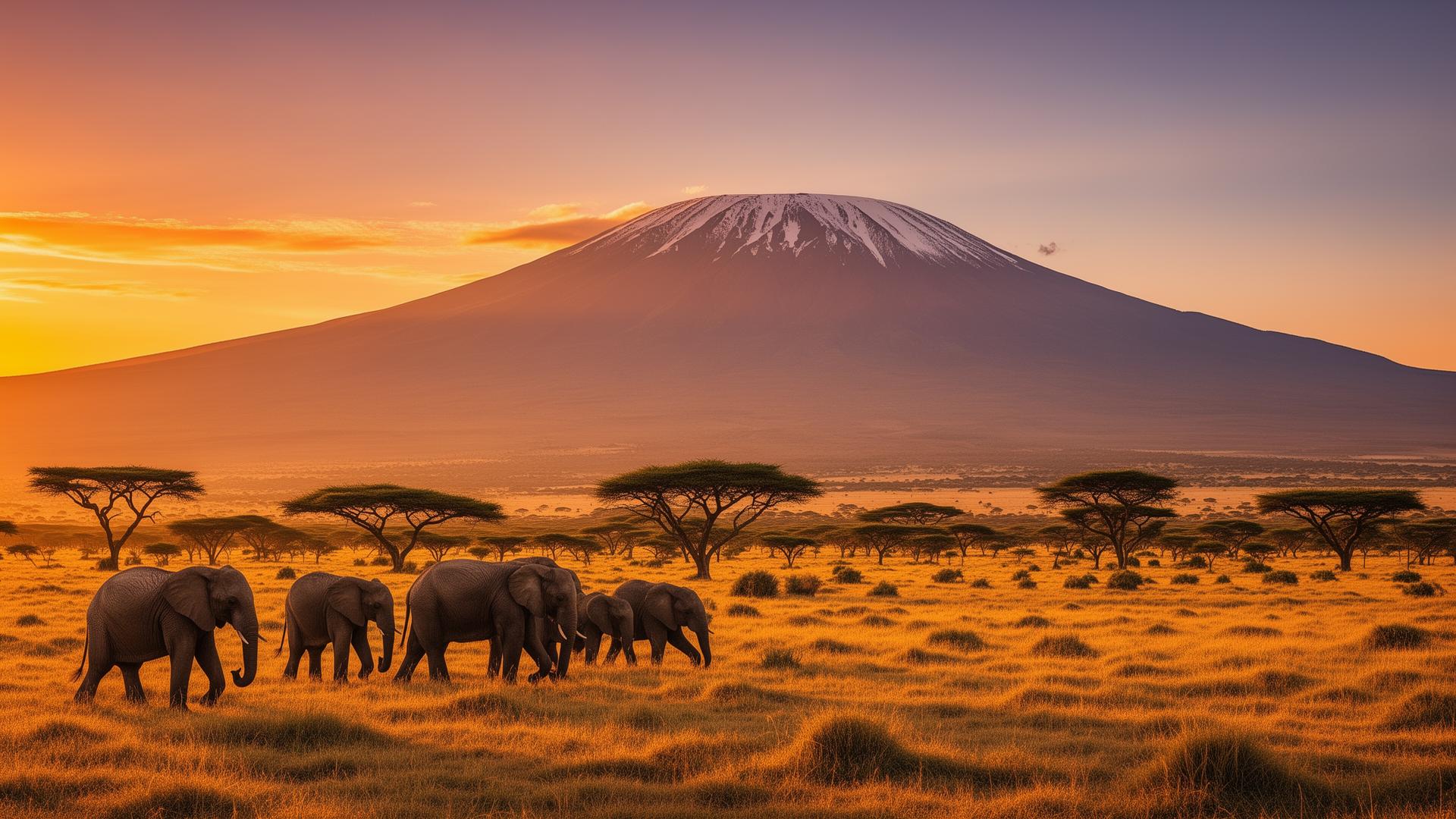
Africa is a raw, untouched, and immensely diverse continent — 54 countries, over 2,000 languages, and the world's oldest inhabited continent. The Great Migration in the Serengeti is the planet's largest wildlife migration: over 1.5 million wildebeest and 200,000 zebras travel about 3,000 kilometers annually from Tanzania to Kenya and back. The Sahara is the world's largest hot desert (over 9 million km²), nearly the size of Europe. Cape Town has been voted the world's best city destination several times, and its Table Mountain is one of the world's oldest mountains (over 600 million years old). Kilimanjaro (5,895 m) is Africa's highest peak, and its summit glaciers have unfortunately shrunk by 80% over the last hundred years. Zanzibar, the spice island, was historically the center of the world's spice trade.
Attractions
Serengeti, Tanzania
The world's largest wildlife migration — a million wildebeest, zebras, and antelopes. The ecosystem covers 30,000 km² and is home to over 70 large mammal species and 500 bird species.
Cape Town, South Africa
Table Mountain, vineyards, and where two oceans meet. The city was founded in 1652, and it is surrounded by over 200 vineyards. You can swim with African penguins at Boulders Beach.
Marrakech, Morocco
Colorful souks, palatial architecture, and Sahara excursions. The Djemaa el-Fna square is a UNESCO-protected masterpiece of living culture, where the life of dozens of markets continues after sunset.
Victoria Falls
The world's largest curtain of water on the border of Zambia and Zimbabwe. The falls are 1,708 meters wide and 108 meters high — known locally as 'Mosi-oa-Tunya' (the smoke that thunders).
Zanzibar, Tanzania
The spice island with its turquoise beaches and the labyrinths of Stone Town. Stone Town is a UNESCO World Heritage Site and historically one of the most important trading centers in the Indian Ocean.
Kilimanjaro, Tanzania
Africa's highest peak (5,895 m) — no mountaineering experience is required to climb it. The trek to the summit takes 5–9 days depending on the route, with a success rate of about 65%.
Weather & climate
Dry season (Jun–Oct)
20–30°C
Best time for safaris — animals gather around water sources.
Short rainy season (Nov–Dec)
22–30°C
Short rains, green landscape, fewer tourists.
Long rainy season (Mar–May)
20–28°C
Heavy rains, lowest prices, more difficult road conditions.
Budget
| Category | 💰 Budget | 💎 Mid-range | 👑 Luxury |
|---|---|---|---|
| Accommodation / night | 10–30 € | 40–100 € | 150+ € |
| Food / day | 5–12 € | 15–35 € | 50+ € |
| Transport / day | 3–10 € | 15–40 € | 60+ € |
| Activities | 5–20 € | 30–100 € | 200+ € (safari) |
Travel tips
Book your safari in advance
Popular safaris (especially Serengeti and Masai Mara) are booked months ahead.
Vaccinations and malaria prophylaxis
Check official health recommendations — a yellow fever vaccination is mandatory for many countries.
Respect the wildlife
Always keep a safe distance — follow your guide's instructions on safari.
Negotiate prices
In markets and taxis, the price is negotiable — ask for the price first, then haggle.
Compare destinations
Pick 2–3 destinations to compare safety, sociability, ease and budget side by side.
Solo traveller's guide
Safety
Social
Ease
Africa is a rewarding but demanding destination for the solo traveler. Safari and group tours are the safest ways to explore the continent. East Africa (Kenya, Tanzania) and South Africa are favorites for more experienced solo travelers.
Join organized safaris and tours — it's a safer and often more affordable option.
Cape Town and Marrakech are good starting points for solo travel in Africa.
Make copies of all your documents and store them in a cloud service.
Avoid walking alone at night — use Uber or arranged transport.
Hiring local guides supports the community and increases your safety.