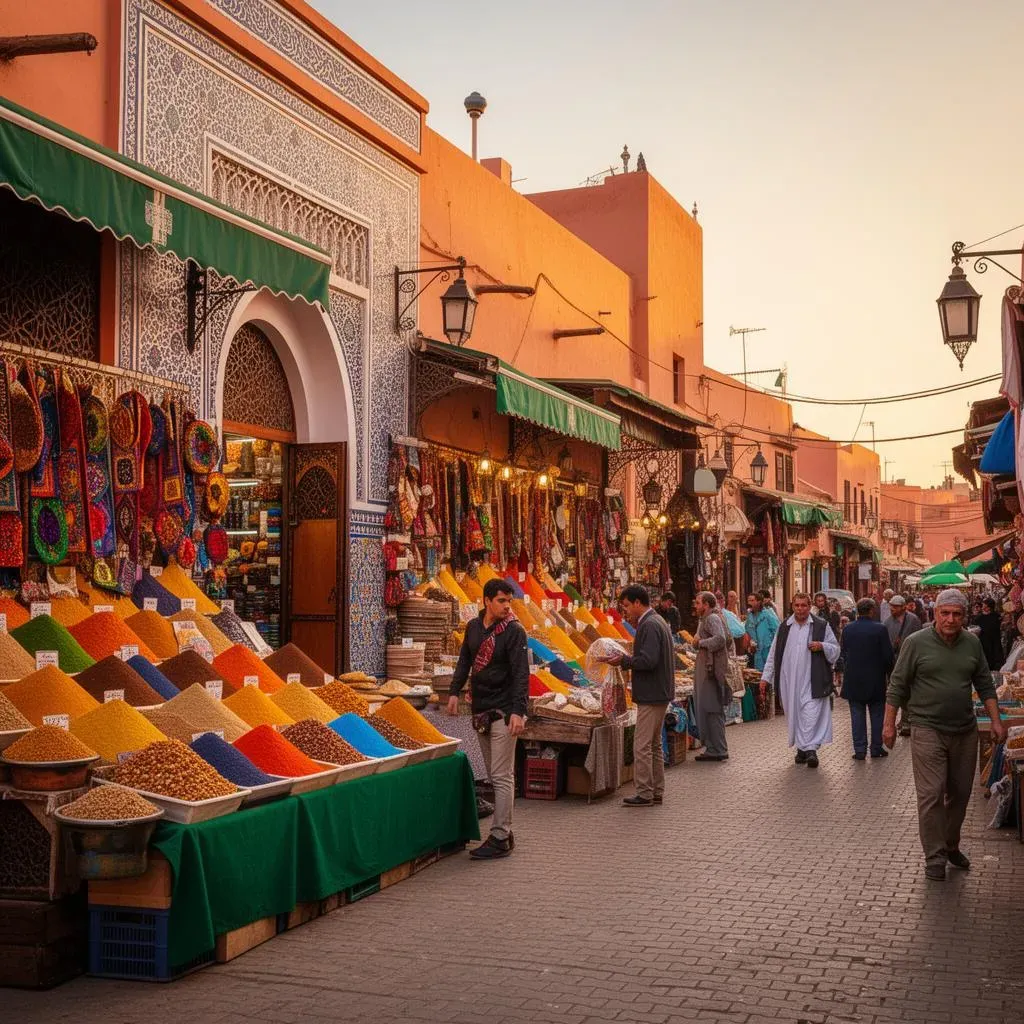
Morocco is a feast for the senses: colorful souk markets, the scent of spices, the dunes of the Sahara, and centuries-old medinas. Experience North Africa's most enchanting country.
Morocco is one of Africa's most fascinating travel destinations, blending Arab, Berber, and European influences into a unique cultural mosaic. Located in the northwestern corner of Africa, on the coast of the Mediterranean and the Atlantic, its landscapes range from the sand dunes of the Sahara to the snowy Atlas Mountains and lush oases.
Marrakech is the first stop for most travelers, and for good reason. At the heart of the city beats Djemaa el-Fna square, a UNESCO World Heritage site. During the day, the square is filled with vendors selling juice, spices, and crafts; at night, it transforms into a huge open-air restaurant where snake charmers, storytellers, and musicians entertain. In the souk markets surrounding the square, you can haggle for leather bags, mosaic lamps, Moroccan carpets, and handmade jewelry.
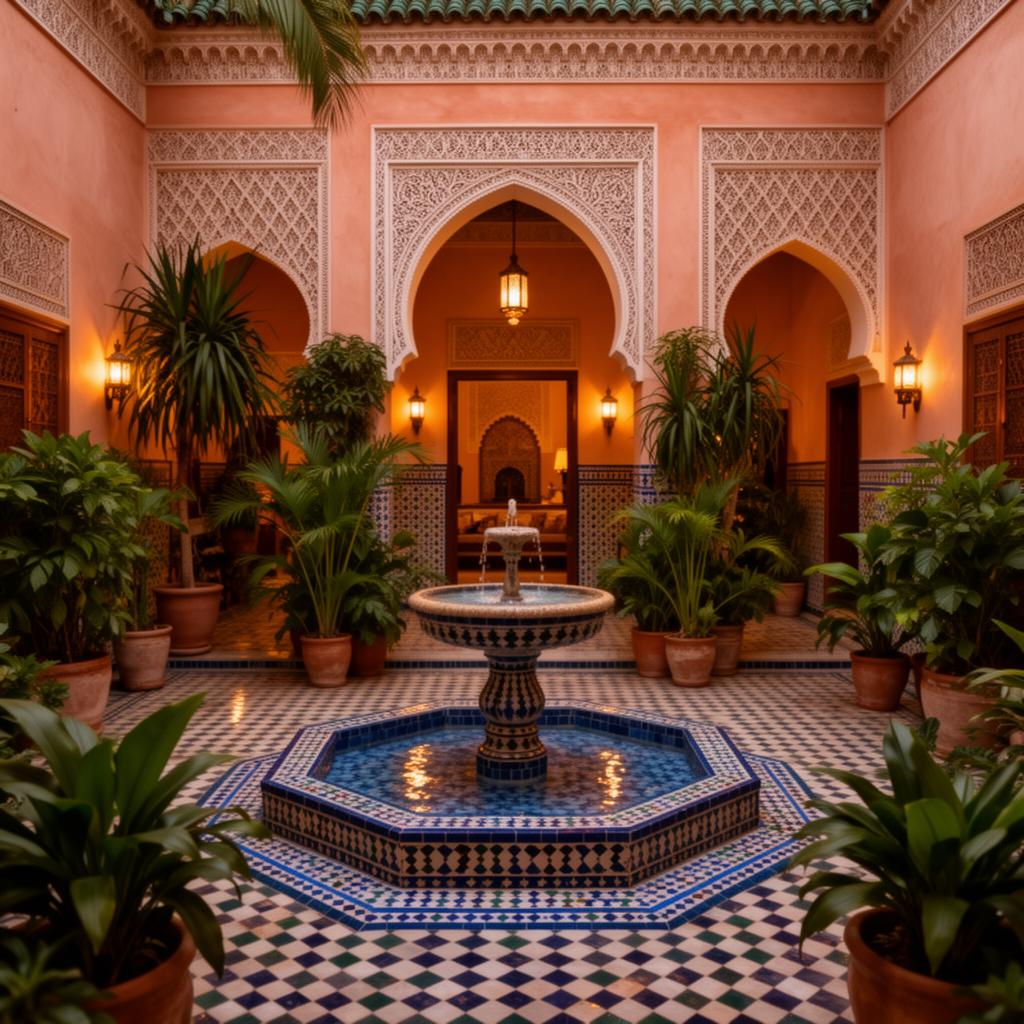
Getting lost in the narrow alleys of Marrakech's medina is part of the experience. The medina is surrounded by an old city wall, and within it lie stunning riads — traditional Moroccan houses with an open courtyard centered around a fountain and garden. Staying in a riad is one of Morocco's best experiences: breakfast on a rooftop terrace with the Atlas Mountains on the horizon.
Fes is Morocco's spiritual and cultural capital. Its medina, Fes el-Bali, is the world's largest car-free urban area and feels like a journey back to the Middle Ages. The city has over 9,000 alleys, 300 mosques, and the world's oldest continuously operating university, Al-Qarawiyyin (founded in 859). The famous Chouara Tannery in Fes is an impressive sight — view it from the terrace of a leather shop.
Chefchaouen, or the 'blue city', is one of Morocco's most photographed destinations. Located on the slopes of the Rif Mountains, the city is painted in every shade of blue — turquoise, indigo, cobalt, and sky blue. There are many theories about the origin of the blue color: Jewish refugees brought the tradition in the 15th century, or the color repels mosquitoes. In any case, the city is a photographer's dream.
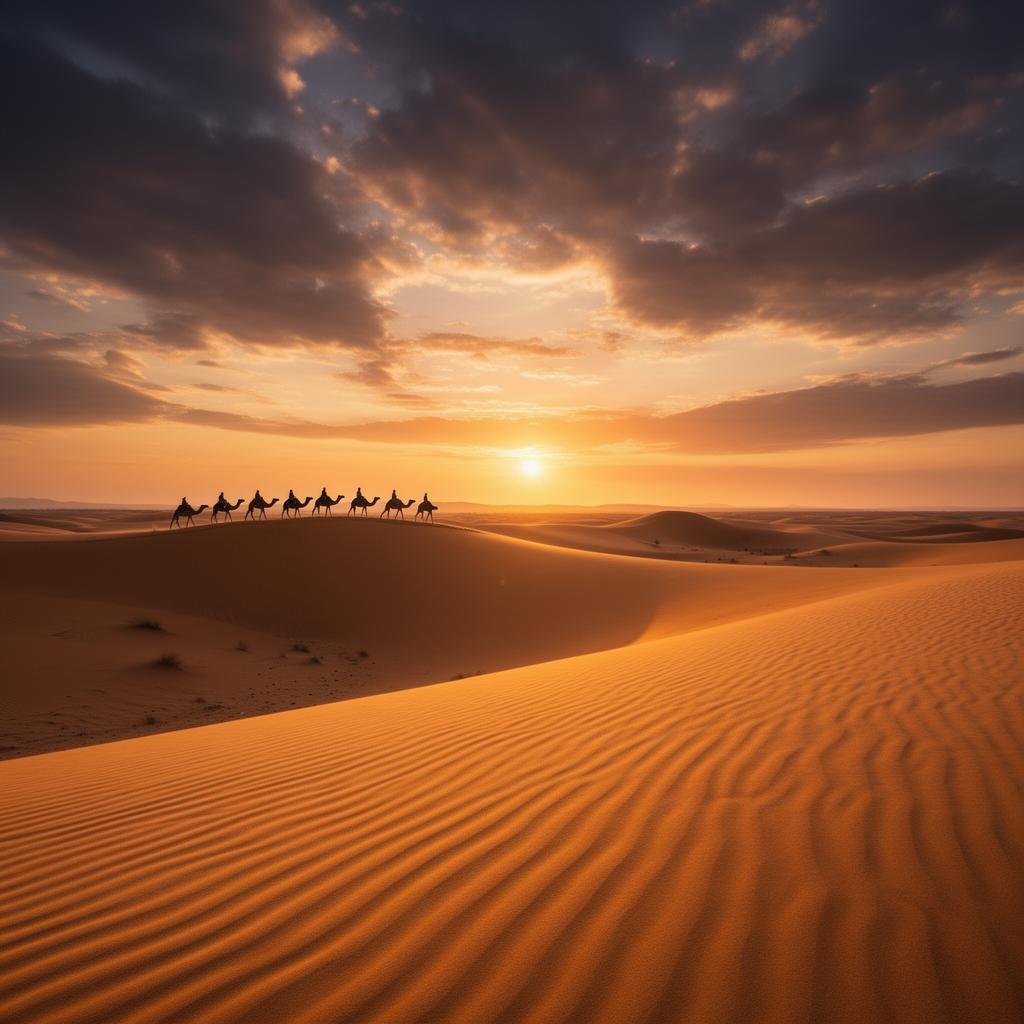
The Sahara Desert is Morocco's most dramatic experience. The Erg Chebbi dunes near Merzouga rise up to 150 meters and glow golden at sunset. The traditional way to experience the Sahara is a camel ride over the dunes to a Berber camp, where you spend the night in tents under the stars. The Sahara's night sky, free of light pollution, is one of life's most unforgettable sights — the Milky Way is visible to the naked eye.
The Atlas Mountains divide Morocco in two and offer excellent hiking opportunities. Toubkal (4,167 m) is North Africa's highest peak and a popular hiking destination. Ait Benhaddou is a UNESCO-protected kasbah (fortified village) at the foot of the Atlas Mountains — it has served as a filming location for numerous Hollywood movies, including Gladiator and Game of Thrones.
Moroccan cuisine is one of the best in the world. Tagine is a traditional stew cooked in a conical clay pot — try chicken with lemon and olives or lamb with prunes and almonds. Couscous is the traditional Friday dish. Pastilla is a sweet and savory pie combining pigeon meat, almonds, and cinnamon. Mint tea is a symbol of Moroccan hospitality — it is impolite to refuse tea when offered.
Essaouira, a windy port city on the Atlantic coast, offers a contrast to the chaos of Marrakech. Its blue-and-white medina, fresh fish restaurants in the harbor, and surfing opportunities make it an ideal place for a few days' stop. The city also has a strong artist community and hosts the Gnaoua Music Festival in June.
Practical tips: Arabic, French, and Berber are spoken in Morocco — basic French is very helpful. The currency is the Moroccan Dirham (MAD), and cash is essential in the markets. Dress modestly, especially in the medinas — knees and shoulders covered. The best time to travel is from March to May and September to November, when temperatures are most pleasant. During Ramadan, many restaurants are closed during the day. Remember to get travel insurance before you leave — it's especially important for Sahara trips.
Budget: Morocco is an affordable destination for Europeans. A riad stay costs €30-80 per night, a local meal €3-8, and a tagine in a restaurant €5-12. A Sahara tour with a camel ride and overnight stay costs about €40-100 per person. Intercity bus trips are cheap (€5-15) with CTM and Supratours. Calculate your total travel budget with our travel cost calculator and check packing tips in the packing list tool.