
Australia's classic trio: Sydney Harbour, the Great Barrier Reef and the red Outback. How to plan a two-week trip across the continent.
Australia is not a country you can circle in a week. The continent is almost the size of Europe, yet most of the population lives along a narrow coastal strip in the east. This imbalance makes the country fascinating: one flight away from Sydney's jazz bars lies a desert where your nearest neighbour can be 200 kilometres off. For first-timers, a two-week trip is best limited to three destinations — Sydney, the reef out of Cairns and Uluru — so the distances don't eat the whole holiday.
Sydney is the natural starting point. The Opera House and Harbour Bridge are best seen from the Mrs Macquarie's Point headland in the evening light, but the real city experience comes alive at Bondi Beach, in the restaurants of Surry Hills, and on the Manly ferry. Use an Opal card on all public transport — a single ferry to Manly costs about 8 AUD and the harbour view beats any tourist cruise.
The Great Barrier Reef
Cairns and Port Douglas are your gateway to the world's largest living ecosystem. I strongly recommend an overnight liveaboard dive trip — day cruises take hundreds of tourists to the same reef, while a liveaboard takes you to quieter sites with a small group, and you dive before the others arrive. Snorkelling alone is enough to see colourful fish, parrotfish and giant clams. From November to May, the season is tricky because of stinger jellyfish — you'll need a stinger suit then.
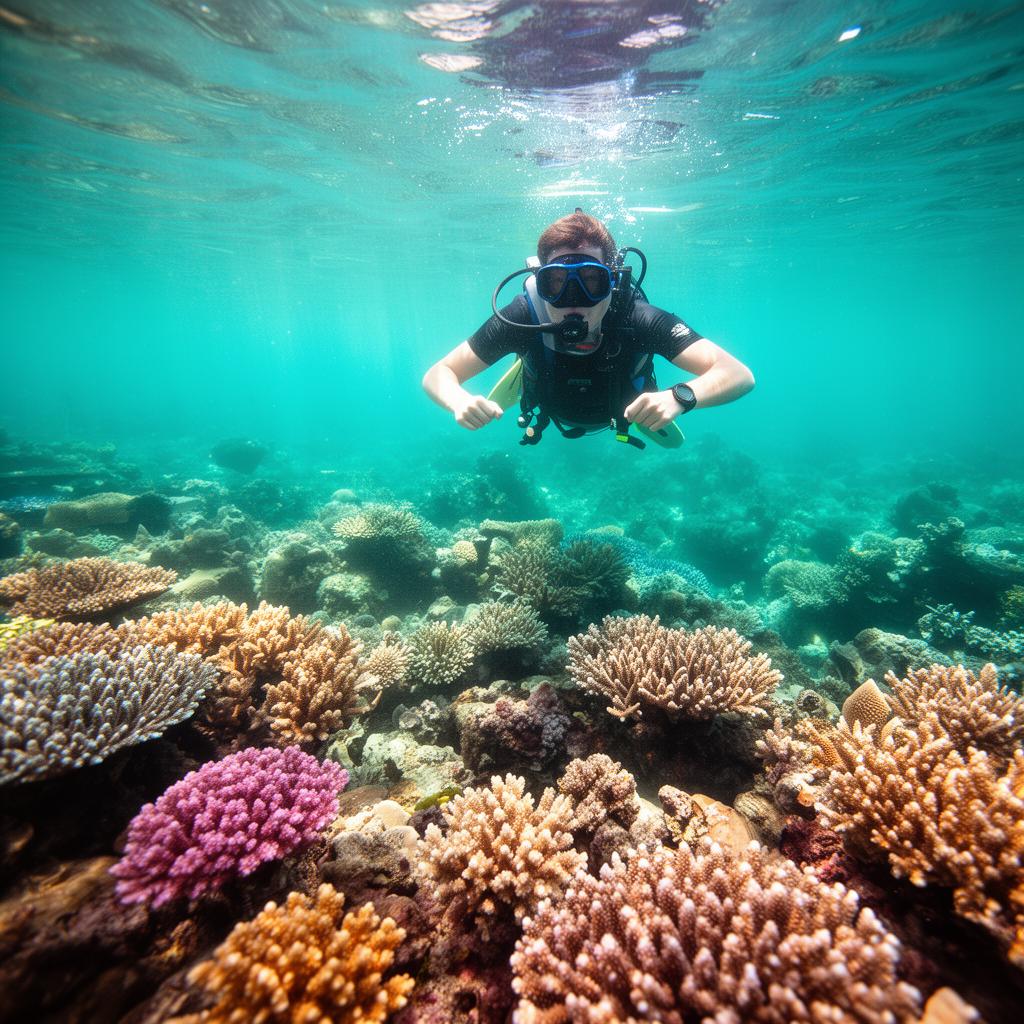
From Cairns you can also reach the Daintree Rainforest, one of the oldest in the world at over 180 million years. At Mossman Gorge you can swim in a crystal-clear river, and at Cape Tribulation the rainforest literally meets the reef. Rent a car, as there is practically no public transport in the area.
The Outback and Uluru
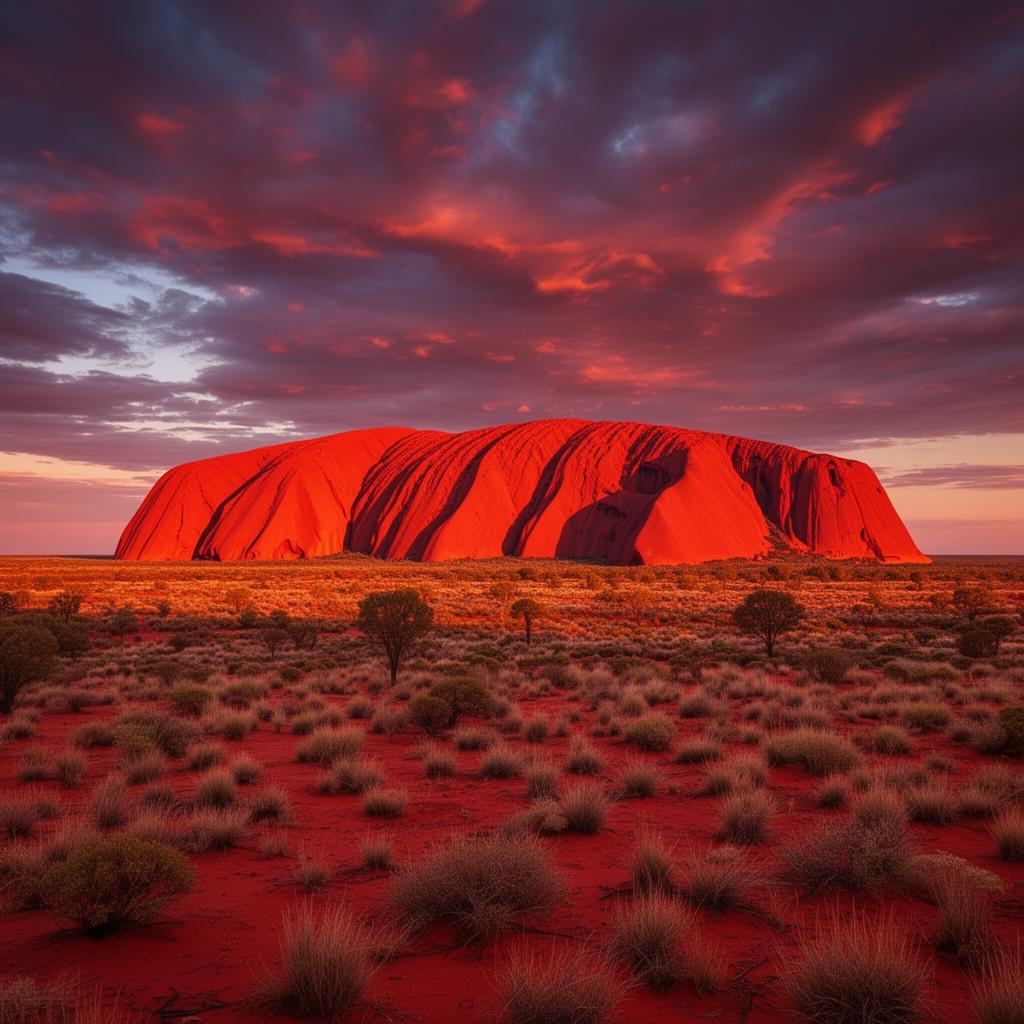
Uluru (Ayers Rock) is not just a rock — it is a sacred place for the Anangu people, and climbing it has been forbidden since 2019. Instead, walk the 10-kilometre base trail at sunrise. The colour change from blue-grey to fiery red is one of nature's most spectacular shows, and no photo does it justice. Stay at Ayers Rock Resort — there are basically no other options, and book well in advance, as there is room for only 5,000 overnight guests.
Kata Tjuta (The Olgas) lies in the same national park and is, if anything, more atmospheric than Uluru: 36 red domes with wind-carved canyons running between them. The Valley of the Winds trail takes you through the domes in about three hours.
Itinerary and costs
Classic two-week route: 4 nights in Sydney, 4 nights around Cairns, 3 nights at Uluru, 3 nights in Melbourne. Domestic flights cost around 200–400 EUR per leg — Qantas, Virgin and Jetstar fly almost everywhere. Australia is not cheap: budget 120–180 EUR a day at mid-range. Estimate your own travel budget with our trip cost calculator.
Practical tips
The eVisitor 651 visa is free for Finns and you can apply online in minutes. Sun protection is critical — Australia's summer UV index easily reaches 12+ and skin burns in twenty minutes. SPF 50+ sunscreen, a wide-brimmed hat and a UV-protective shirt are essentials, not optionals. Also check our packing list and bring proper travel insurance — health care in Australia is expensive without coverage.
The best time to visit is April to October (winter in the south, dry season in the north). In December, northern Australia is in the wet rainforest season and Sydney is hot, while Tasmania has its best weather. Australians drive on the left, and road trips are an inseparable part of the experience — if you have time, rent a car for at least a couple of days along the coast.