Written by Matkustelu.fi
Updated 15.10.2026
Some links in this section are affiliate links. We may earn a commission if you book through them, at no extra cost to you.
Gran Canaria, Tenerife, Fuerteventura and Lanzarote compared: weather, prices, beaches, hiking and flights — find the island that fits your trip.
Which Canary Island should you choose?
Tenerife: mountain hikes and varied scenery; the north and south can have very different weather. Gran Canaria: combines city time with southern beaches. Fuerteventura: long sandy beaches and windier conditions, especially appealing for water sports. Lanzarote: volcanic landscapes and slower-paced excursions. If hiking matters most, compare Tenerife and Madeira. For a one-week holiday, compare your actual resort location and travel times: Teide and Anaga excursions on Tenerife and Las Palmas–Maspalomas days on Gran Canaria create different itineraries even when island-wide temperatures appear similar.
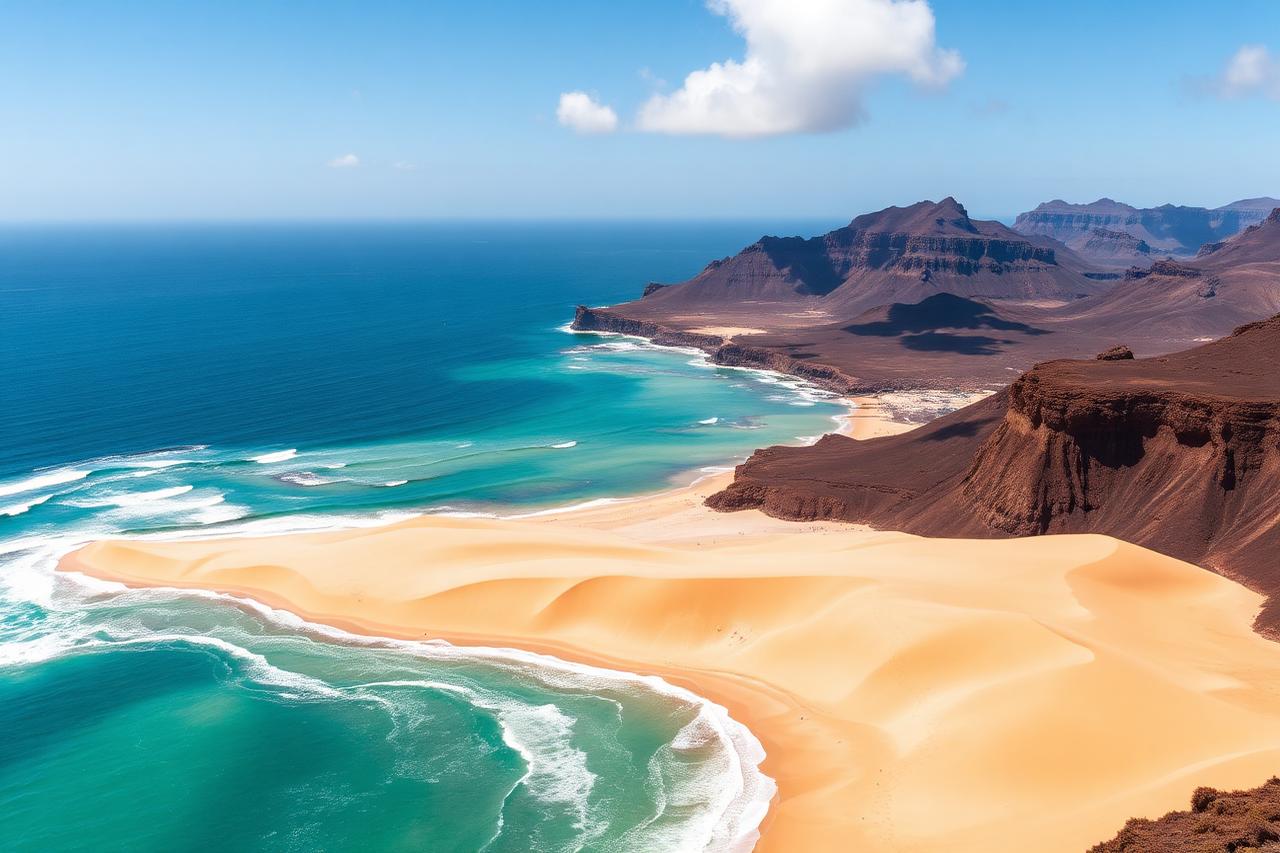
The Canary Islands are Europe's most reliable winter sun, but the islands differ far more than most people expect. One has a lively city and giant dunes, another Spain's highest peak, a third endless sand, and a fourth a volcanic landscape that looks like another planet. This comparison covers weather, prices, beaches, hiking and flights so you can pick the right Canary Island in a few minutes.
For winter travel, compare our month-by-month guides for November, December, January and February.
If you are also considering Madeira or mainland Europe, compare the options in our European winter sun guide before choosing an island.
Quick comparison
| Topic | Gran Canaria | Tenerife | Fuerteventura | Lanzarote |
|---|---|---|---|---|
| Winter temperature | 21–24 °C | 20–24 °C | 20–23 °C | 20–23 °C |
| Beaches | Maspalomas dunes | Wide southern beaches | Longest sandy beaches | Papagayo coves |
| Hiking | Roque Nublo, valleys | Teide, Anaga, Masca | Limited | Timanfaya, volcanoes |
| Wind | Moderate | Moderate | Strong | Moderate |
| Nightlife | Busy (Playa del Inglés) | Busy (Costa Adeje) | Quiet | Quiet |
| Families | Excellent | Excellent | Good, mind the wind | Good |
| Budget | Compare areas | Compare areas | Compare beach resorts | Compare accommodation |
| Best for | All-rounder | Nature and services | Beaches and watersports | Scenery and calm |
Short answer: Gran Canaria is the best all-rounder, Tenerife has the best nature and services, Fuerteventura the beaches and surf, Lanzarote the scenery and peace.
Gran Canaria — a miniature continent
Gran Canaria is nicknamed a miniature continent for good reason. The south has the Maspalomas dunes and often mild, sunny coastal conditions, the north the green city of Las Palmas, and the interior a mountain range rising to 1,800 metres with Roque Nublo as its landmark.
The S-70 Roque Nublo trail from Degollada de La Goleta requires advance booking during regulated daytime hours, and nearby parking is restricted. Check the official access and transport guidance before travelling.
Choose it if you want beach, city and hiking on the same trip. Las Palmas's Las Canteras is one of Europe's best city beaches, and the city has restaurants and museums for a cloudy day.
Accommodation choice is the widest of all the islands: Playa del Inglés and Puerto Rico are lively, Meloneras calmer, and Agaete feels local. Compare options on Booking.com(Affiliate link) and book early for the winter season.
Tenerife — Teide and full services
Tenerife is the largest and most populated island. The south (Los Cristianos, Costa Adeje) is dry and sunny; the north (Puerto de la Cruz) is greener and cloudier.
The headline sight is Teide, Spain's highest peak at 3,715 m. The cable car reaches about 3,555 m. The final summit route, PNT 10 Telesforo Bravo, requires a reservation through Tenerife ON. Since 2026, daytime permits (9 am–5 pm) cost €15 for visitors living outside the Canary Islands; rules for other visitor groups differ. Check current fees and access conditions when booking. The Anaga laurel forest and the Masca gorge are hiking classics.
Tenerife also has the most direct winter flights from Finland and the densest service network. If you are weighing it against the other Atlantic favourite, read Tenerife vs Madeira.
Fuerteventura — the island of beaches
Fuerteventura has the longest and widest sandy beaches in the archipelago: the Corralejo dunes in the north and the Sotavento lagoons on the Jandía peninsula in the south. The water is clear and the beaches rarely crowded.
It is also one of Europe's best windsurfing and kitesurfing destinations, because trade winds can blow frequently. That same wind means you will want a windbreak next to your sun lounger.
There are fewer sights than elsewhere, so Fuerteventura suits a pure beach holiday, watersports or a quiet remote-work week by the sea — see the digital nomad guide for the practical side.
Lanzarote — volcanoes and architecture
Lanzarote looks lunar in places: Timanfaya National Park, black lava fields and white villages without billboards. The look is largely thanks to artist César Manrique, who helped keep high-rise hotels off the coast.
The best beaches are the Papagayo coves in the south and the wide Famara beach in the north (Famara has currents, so it is not always safe for swimming). In La Geria, vines grow in lava pits, and a winery visit is the island's most pleasant afternoon.
Book tours in advance on Klook(Affiliate link), as Timanfaya coach tours get congested around midday.
La Palma, La Gomera and El Hierro in brief
La Palma is the greenest island and one of Europe's best stargazing spots. La Gomera is reached by ferry from Tenerife, and its Garajonay cloud forest is a Unesco World Heritage site. El Hierro is the smallest and quietest, a divers' favourite.
These three work well for a second Canary trip or as extra days once you know the main islands. Flights and ferries mostly route via Tenerife.
Weather month by month
| Month | Daytime | Sea | Note |
|---|---|---|---|
| Nov–Feb | 20–23 °C | 20–21 °C | Peak Nordic winter season |
| Mar–May | 21–24 °C | 19–20 °C | Fewer people, good prices |
| Jun–Aug | 25–29 °C | 22–23 °C | Hottest, local holiday season |
| Sep–Oct | 24–27 °C | 23 °C | Warmest sea |
The islands have microclimates: the same day can be sunny in the south and cloudy in the north. In winter, book on the southern or south-western side for the most reliable sun. Calima is airborne Saharan dust that can reduce visibility and air quality in different seasons, including winter. These temperatures are broad seasonal estimates, not forecasts for your travel week; see the AEMET climate normals for Tenerife South.
Prices and travel budget
| Expense | Ways to save | What raises the cost? |
|---|---|---|
| Accommodation | Compare identical dates outside busy beach resorts. | Christmas and New Year demand can raise prices. |
| Food | Look for local cafés and lunch menus. | Tourist-resort restaurants may cost more. |
| Transport | Compare bus routes before booking a car. | Insurance, fuel and parking add to rental costs. |
| Total budget | Add flights, lodging, food and activities for the same week. | A cheap fare alone does not guarantee a cheap holiday. |
Costs vary by island, neighbourhood and season. No single island or fixed daily rate is reliably the cheapest without a current comparison. Check comparable accommodation and flights for the same dates, then see our budget destinations guide.
Flights and getting between islands
Winter flights from Helsinki often include direct services to Tenerife and Gran Canaria, with an indicative non-stop flight time of about 6–7 hours. Services to Fuerteventura and Lanzarote vary by season and may require a connection. Check live schedules and departure airports for your dates.
Compare routes and fares on Kiwi.com(Affiliate link) and time your booking using the cheap flights guide. A pre-booked transfer is the easiest way to your hotel on a late-evening arrival.
Between islands you either fly short hops (25–45 min) or take a ferry. Ferries make most sense between Tenerife and La Gomera, and between Lanzarote and Fuerteventura.
Do you need a rental car?
Yes, if you are visiting Lanzarote, La Palma or inland Gran Canaria, or want a different beach every day. Buses do get you there, but the timetable dictates your day.
Not necessarily, if you stay in southern Tenerife or Playa del Inglés and mostly move between the beach and restaurants. A couple of day rentals will cover the excursions.
Compare prices at Auto Europe(Affiliate link), pick a small car (village streets are narrow) and check the insurance deductible. Photograph the car at pickup and return.
Which island fits you?
Gran Canaria: beach, city and mountains on one trip — or a family that values choice.
Tenerife: Teide, hiking trails, a direct flight and the widest range of services.
Fuerteventura: the longest beaches, space around you and possibly surfing.
Lanzarote: extraordinary scenery, good food and a calm atmosphere.
Before you go, check cabin bag limits in the carry-on size guide, pick your bag with the suitcase guide, read the travel insurance comparison and set up data with the eSIM guide.
FAQ — Canary Islands
Which Canary Island is warmest in winter? Differences are small. The southern coasts of Gran Canaria and Tenerife are typically a degree or two warmer and drier.
Which island gets the least rain? Fuerteventura and Lanzarote, the driest and flattest of the group.
Which island is best for families? Gran Canaria and Tenerife: short transfers, sandy beaches, water parks and plenty of hotels.
Do I need a passport or visa? The Canaries are part of Spain and the EU, so an ID card or passport is enough. See the passport, ETIAS and visa guide.
Should I combine islands on one trip? On two weeks, yes — for example Lanzarote and Fuerteventura by ferry. On one week, stay on one island.
Can you swim year-round? Yes. Sea temperatures are typically around 19–23 °C depending on the season. Winter swimming may feel chilly, and swell and beach conditions affect safety.
Written by Matkustelu.fi
Published 18.8.2026 Updated 15.10.2026
The Matkustelu.fi editorial team curates travel information and planning tips. Always verify changing rules, prices and timetables with the original sources.